


Bamboo Sheets vs Cotton: Which Feels Better?
The difference between waking up rested and waking up overheated can come down to one simple choice: your sheets. When people compare bamboo sheets vs cotton, they are usually trying to solve a real sleep problem - night sweats, rough texture, sensitive skin, or bedding that never quite feels right.
Both fabrics have a place in a well-made bed. But they do not feel the same, perform the same, or suit every sleeper in the same way. If you are deciding between them, the better option depends less on trends and more on how you sleep.
Bamboo sheets vs cotton: the feel on your skin
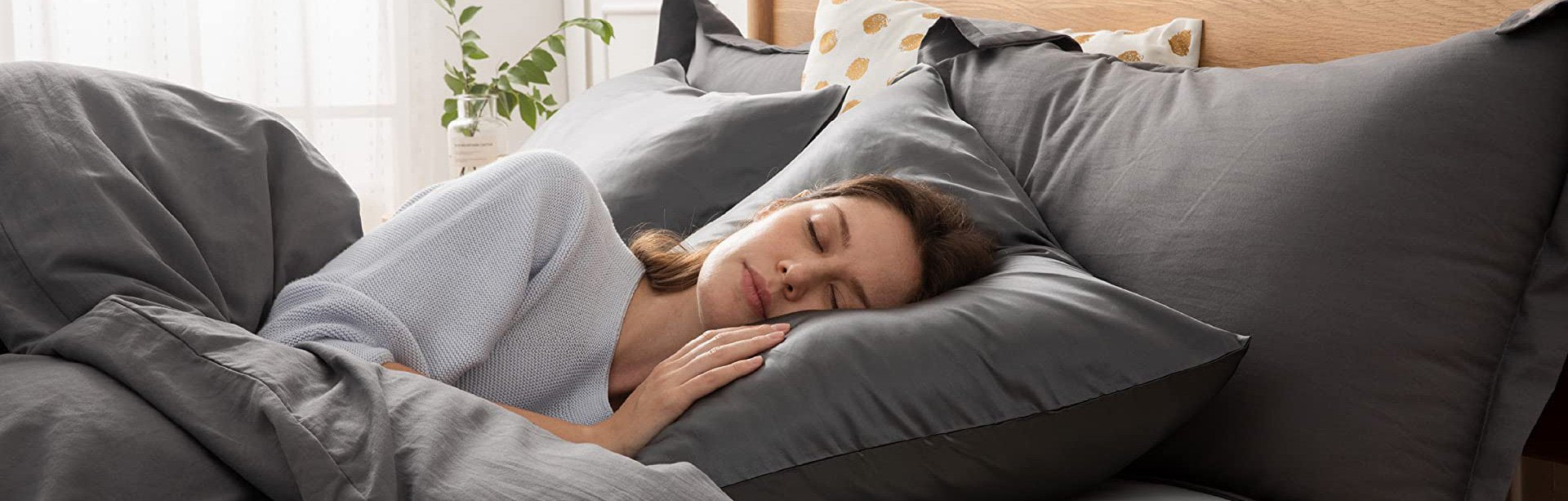
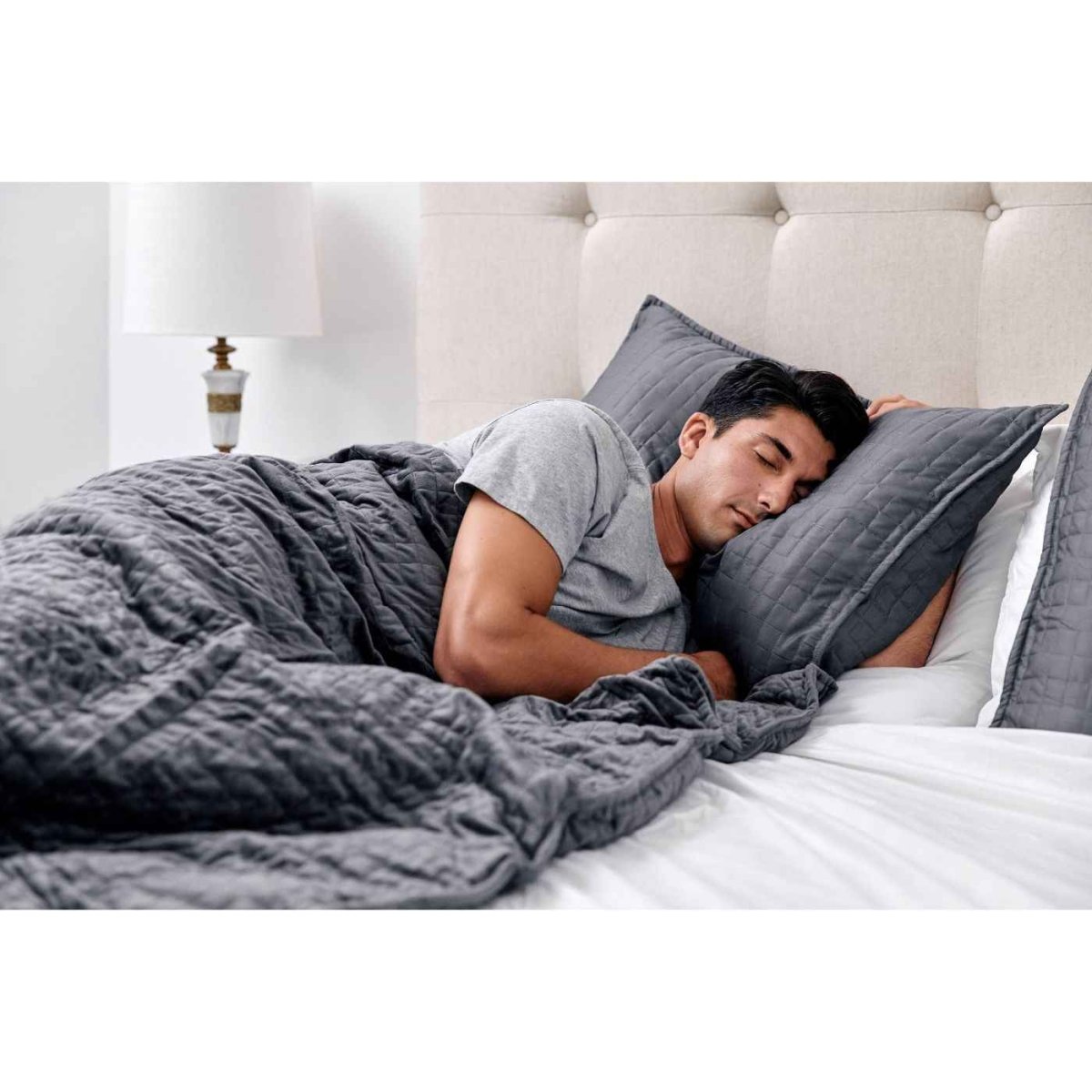
If softness is your first priority, bamboo often stands out right away. Quality bamboo sheets usually feel smooth, drapey, and cool to the touch, with a subtle silk-like finish that many sleepers notice the moment they get into bed. That softness can feel especially comforting if you are sensitive to texture or tend to feel overstimulated at night.
Cotton has a broader range. Some cotton sheets feel crisp and airy, while others feel soft and familiar, especially after several washes. The experience depends heavily on the type of cotton and the weave. Percale cotton tends to feel cooler and more matte. Sateen cotton feels smoother and slightly heavier.
This is where personal preference matters. Bamboo often feels more fluid and polished from the start. Cotton can feel more classic and structured. If you love that fresh, hotel-sheet feel, cotton may appeal to you. If you want a softer, more soothing hand-feel, bamboo usually wins.
Which fabric sleeps cooler?
For hot sleepers, this is often the deciding factor. Bamboo sheets are widely chosen for their breathable, moisture-wicking feel. They tend to release heat well and can help the bed feel less stuffy through the night. If you run warm, deal with hormonal temperature shifts, or simply hate waking up damp and uncomfortable, bamboo is often the more supportive choice.
Cotton can also be breathable, but not all cotton performs equally. Lightweight percale cotton can feel cool and airy, while heavier sateen or dense cotton weaves may trap more warmth. In other words, cotton is not automatically hot, but it is less consistently cooling across categories.
If your sleep quality is affected by overheating, bamboo generally offers a more dependable cooling experience. That is one reason it appears so often in premium wellness bedding.
Moisture control and overnight comfort
Temperature and moisture are closely linked. A fabric can feel soft at bedtime but uncomfortable by 3 a.m. if it holds onto heat and perspiration.
Bamboo tends to manage moisture well, which helps the bed feel drier over time. For people who sweat at night or live in humid climates, that can translate into fewer wake-ups and a calmer sleep environment. It is not just about feeling cool at first touch. It is about staying comfortable through the night.
Cotton absorbs moisture too, but it often holds onto it longer. Some sleepers do not mind that, especially in cooler seasons. Others notice that damp, heavy feeling once the room warms up or body heat builds under the covers.
If your goal is a fresher, lighter sleep surface, bamboo usually has the edge.
Bamboo sheets vs cotton for sensitive skin
For people with sensitive skin, eczema, or a low tolerance for rough bedding, fabric feel matters more than thread count claims. Bamboo is often favored because it feels smooth and gentle, with less friction against the skin. That can be particularly helpful if you toss and turn or notice irritation from coarser sheets.
Cotton can also be comfortable for sensitive skin, especially high-quality long-staple cotton. But because cotton varies so much, the result is less predictable. Some sets feel soft and breathable. Others feel dry, stiff, or overly crisp until they have been washed many times.
If you are building a bed that feels more calming than stimulating, bamboo usually creates that effect more quickly. It has a softness that feels less effortful and more immediately relaxing.
Durability and long-term value
Durability is one of the more nuanced parts of this comparison. Good cotton sheets, especially well-made long-staple cotton, can last a long time and often get better with age. They are familiar, dependable, and easy to live with.
Bamboo sheets can also be durable, but they tend to require a bit more care. Because the fabric is so soft, it may be more prone to wear if it is washed in hot water or dried on high heat. That does not make bamboo fragile, but it does mean care instructions matter.
So which offers better value? If you want a lower-maintenance fabric with a long track record, cotton is a strong choice. If your priority is elevated comfort and cooling performance, bamboo may feel worth the extra attention. Value is not only about lifespan. It is also about how well the product supports your sleep while you own it.
Care and everyday practicality
Cotton is usually the easier option for busy households. It handles regular washing well, tends to be straightforward to dry, and does not ask for much special treatment. For guest rooms, kids' beds, or anyone who prefers simple routines, that convenience matters.
Bamboo typically benefits from gentler care. Cold water, mild detergent, and lower heat settings help preserve its softness and finish. For many people, that is a fair trade for a more cooling, luxurious feel. For others, it may feel slightly less practical.
This is one of those areas where lifestyle matters as much as comfort. The best sheet set is not just the one that feels beautiful on night one. It is the one you will still enjoy caring for month after month.
Sustainability considerations
Many shoppers are drawn to bamboo because it is often positioned as an eco-conscious material. That interest makes sense, but it is worth looking at the full picture.
Bamboo as a plant grows quickly and can require fewer resources than some conventional crops. That said, the process used to turn bamboo into fabric matters. Not all bamboo textiles are made the same way, and sustainability claims can vary between brands.
Cotton also has a mixed story. Conventional cotton can be resource-intensive, while better-made options with responsible certifications can offer more peace of mind. If sustainability is part of your decision, it helps to look beyond the fiber name and consider how the sheets are made, tested, and finished.
For many shoppers, material integrity matters just as much as softness. Thoughtfully sourced bamboo and certified fabrics can offer a reassuring middle ground between comfort and conscious buying.
Who should choose bamboo?
Bamboo sheets tend to make the most sense for hot sleepers, people with sensitive skin, and anyone who wants their bed to feel cooler, softer, and more restorative from the first night. They also suit shoppers who see bedding as part of a broader wellness routine rather than just a basic household purchase.
If your current sheets leave you warm, restless, or slightly irritated, bamboo can feel like a meaningful upgrade. It supports that clean, calm, sleep-better instinct many people are after when they refresh their bedroom.
Who should choose cotton?
Cotton is still an excellent choice for sleepers who prefer a more traditional feel, want easy care, or like the variety of finishes available. It works especially well for those who enjoy crisp bedding, rotate sheets often, or want dependable comfort without changing their laundry habits.
Cotton is also a strong option if you like to tailor your bedding by season. A cool percale set in summer and a smoother sateen set in winter can cover a lot of ground.
The better choice depends on how you sleep
There is no single winner in the bamboo sheets vs cotton conversation because sleep is personal. Some people want crisp and classic. Others want cooling and cocooning. The better fabric is the one that removes friction from your night instead of adding to it.
If you are trying to create a bed that feels calm, breathable, and gently therapeutic, bamboo often aligns beautifully with that goal. If you prefer simplicity, structure, and proven durability, cotton may still be the right fit.
The best sheets are not the ones with the loudest claims. They are the ones that help your body settle, your temperature stay balanced, and your bedroom feel like a place you can fully exhale.


Leave a comment