



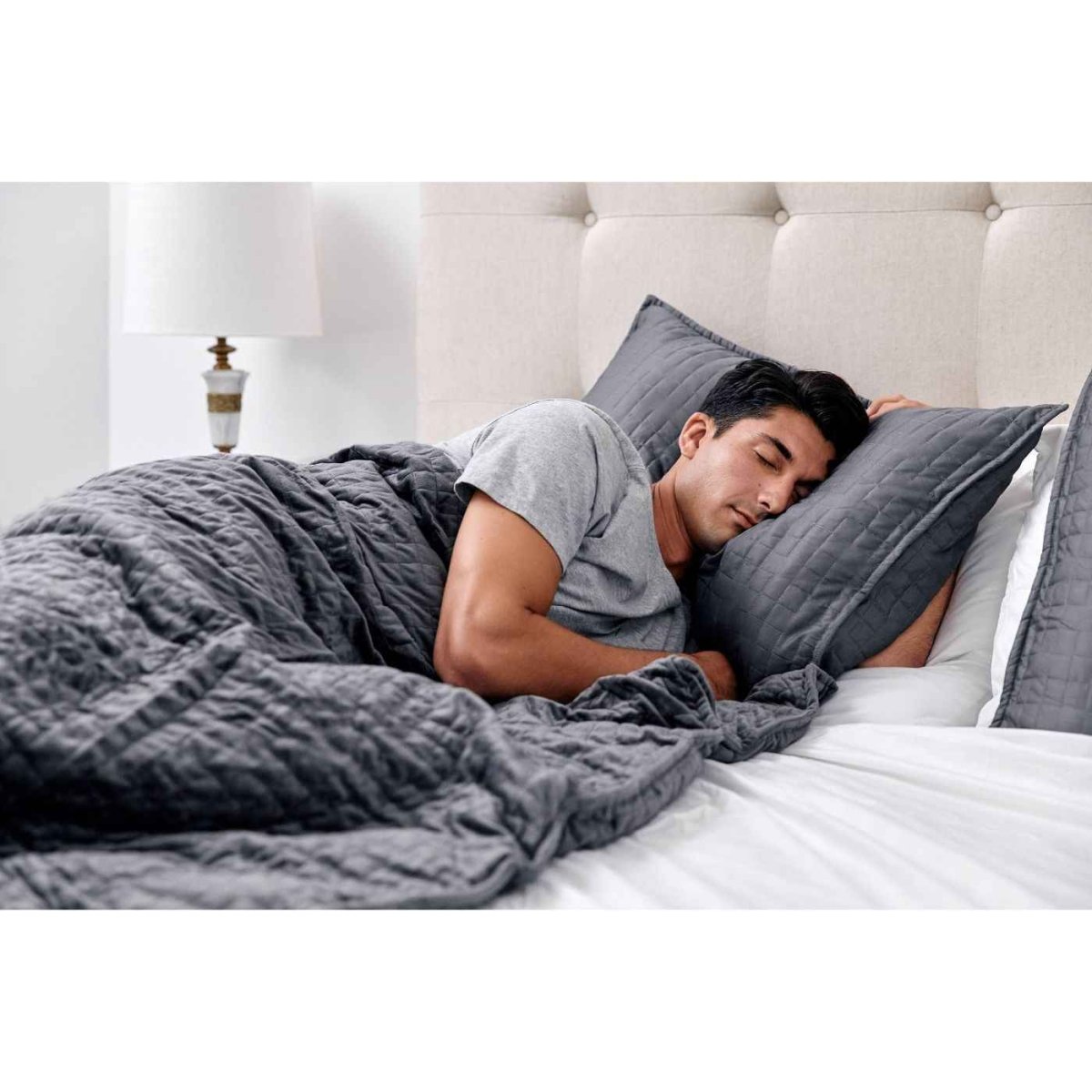
A Practical Guide to Weighted Blanket Materials
A weighted blanket should feel like a quiet exhale at the end of a full day, not like another layer to manage. This guide to weighted blanket materials helps you look beyond color and style to find the fabric, fill, and finish that suit the way you actually sleep. The right combination can make nightly comfort feel more breathable, grounded, and easy to return to.
Weighted blankets work by applying gentle, even pressure across the body. Many people find this deep-touch sensation calming, especially when stress, restlessness, or sensory overload makes it harder to settle. But the weighted insert is only part of the experience. Its outer material affects temperature, texture, care, and how often you will reach for it.
Why weighted blanket materials matter
A blanket can have the right weight and still feel wrong for your sleep habits. A warm sleeper may find plush fabric too insulating. Someone who craves soft, cozy texture may not enjoy a crisp, cool cover. Parents choosing a sensory comfort piece may need a material that is especially easy to wash and gentle against sensitive skin.
The best choice depends on your temperature needs, preferred feel, and whether the blanket will be used nightly, on the sofa, or as part of a calming wind-down routine. Consider materials as part of the therapeutic experience, not an afterthought.
Guide to weighted blanket materials: start with the cover
The cover is the fabric closest to your skin, so it has the greatest effect on perceived comfort. It also gives you flexibility. A removable cover can help you adjust your setup as the seasons change rather than replacing the entire blanket.
Bamboo for cool, smooth comfort
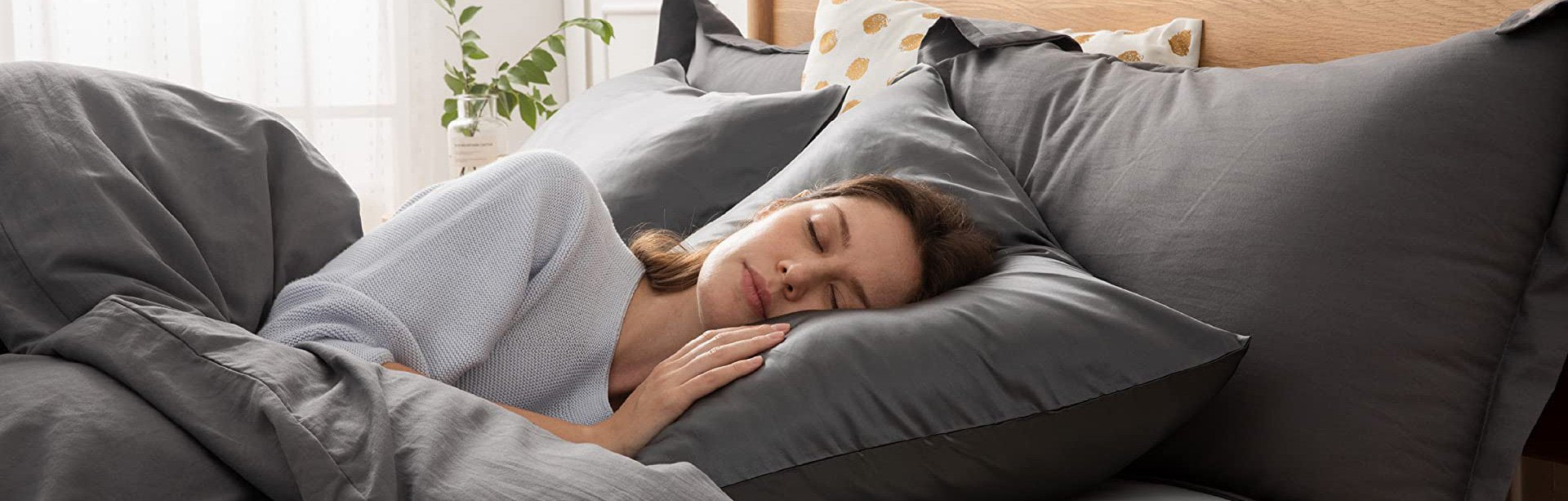
Bamboo-derived fabrics are a thoughtful choice for people who tend to sleep warm or wake up feeling overheated. The material has a smooth, soft hand-feel and is valued for its breathability and moisture management. It feels refined without being slippery, making it especially appealing for sleepers who want a cooler alternative to heavy, heat-trapping bedding.
A bamboo cover can be a beautiful fit for humid nights, warm bedrooms, and year-round use in homes where temperatures vary. It is also a natural choice for anyone drawn to eco-conscious materials. Look for quality construction and clear care instructions, as softer fibers often benefit from gentle washing.
Cotton for familiar, breathable ease
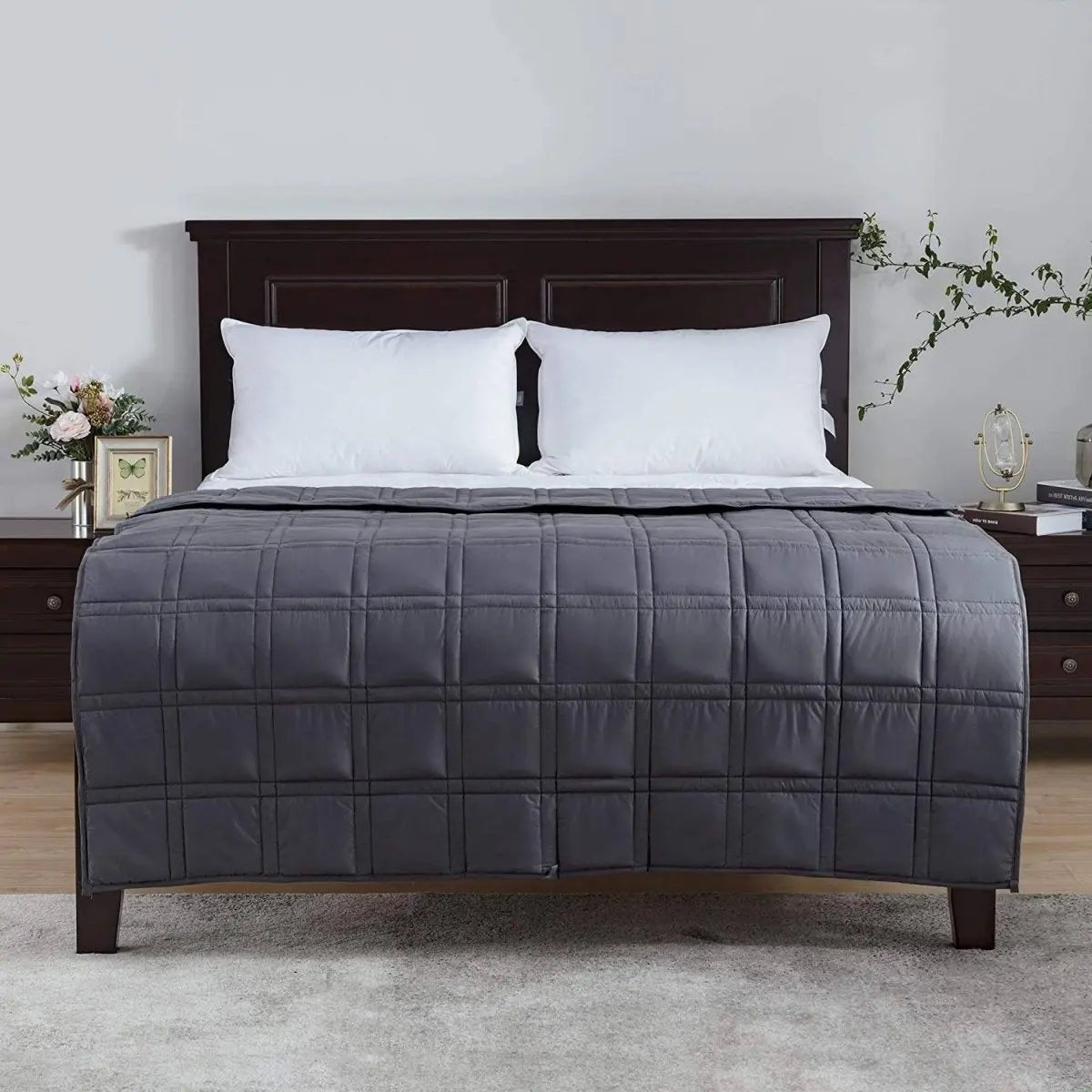
Cotton remains a dependable all-season material because it is breathable, approachable, and easy to live with. It offers a more traditional bedding feel than bamboo, with a range of finishes from crisp percale to soft jersey and brushed cotton.
For many households, cotton is the practical middle ground. It feels comfortable in most seasons, layers easily with existing bedding, and is often simple to care for. If you are choosing one weighted blanket for a guest room or shared home, cotton is usually a reassuringly versatile place to start.
Minky and plush fabrics for a cozy sensory feel
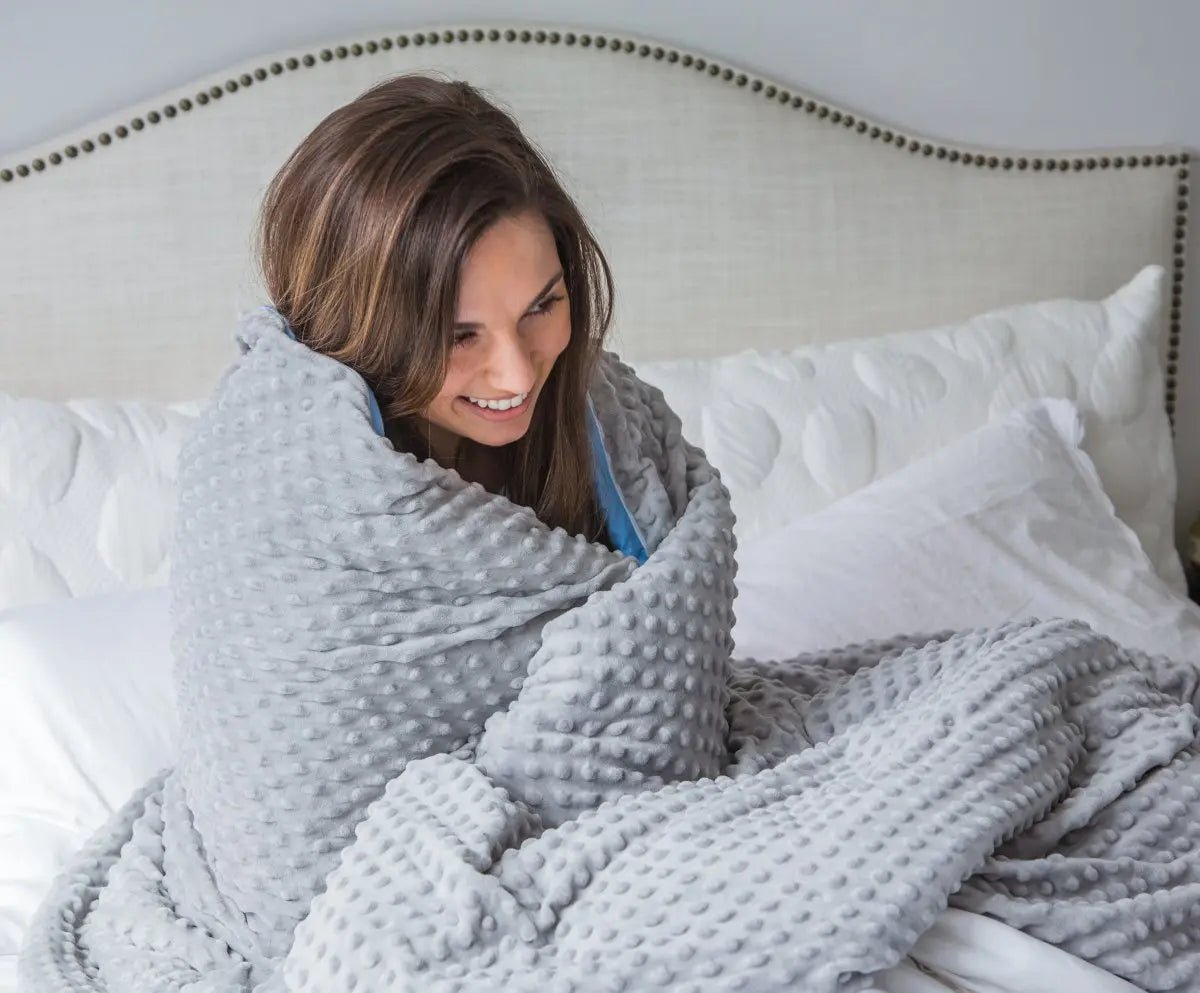
Minky, microfiber, and similar plush fabrics create a soft, enveloping feel that many people associate with comfort and safety. Their gentle texture can make a weighted blanket feel more inviting during anxious evenings, cold-weather lounging, or quiet moments on the couch.
The trade-off is warmth. Plush materials tend to retain more heat than bamboo or lightweight cotton, so they may be better for cold sleepers, cooler bedrooms, or seasonal use. If you love that velvety softness but often overheat at night, reserve a plush weighted blanket for daytime relaxation or choose one with a breathable reverse side.
Sherpa for deep winter warmth
Sherpa delivers a fuller, cloud-like texture with a distinctly cozy character. It is designed for the nights when you want to feel tucked in and protected from the cold. For Canadian winters or drafty rooms, sherpa can turn a weighted blanket into a comforting ritual rather than just another bedding layer.
Because it is insulating, sherpa is not the best match for everyone. Warm sleepers may enjoy it more as a sofa blanket than a nightly layer. Its strength is not year-round versatility but the deeply comforting warmth it brings when the temperature drops.
Knit constructions for breathable, weight-forward comfort
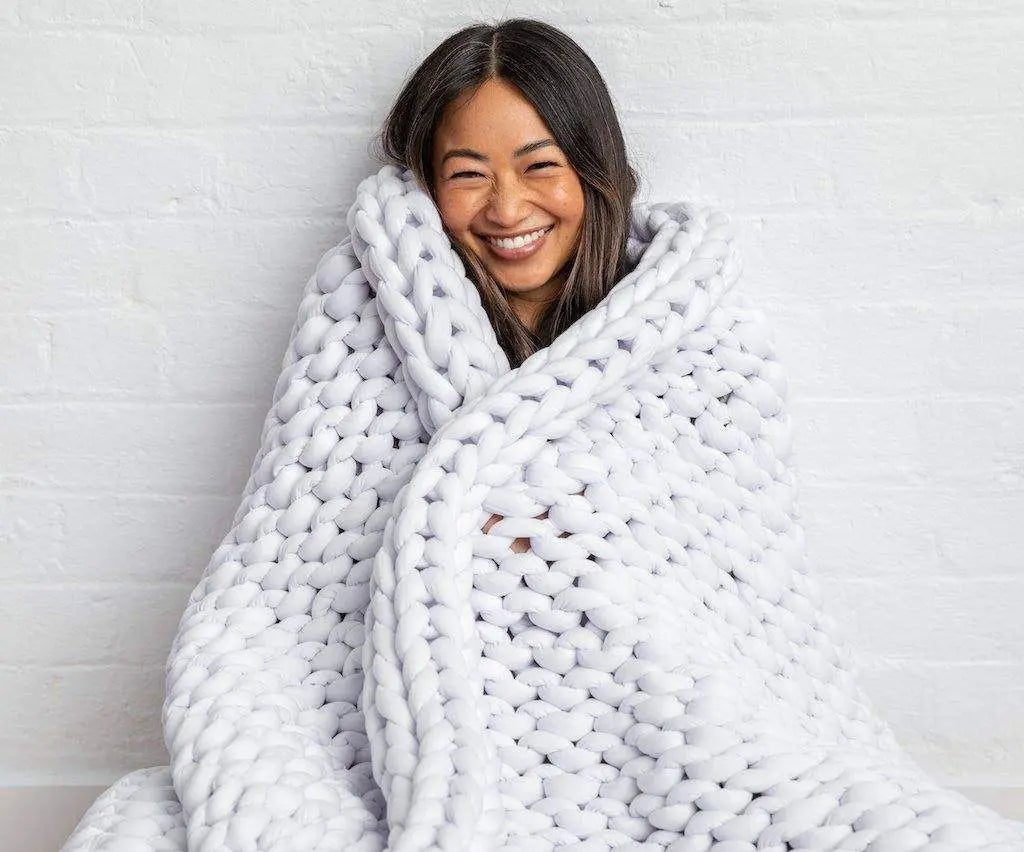
Chunky knit weighted blankets create pressure through the yarn itself rather than through an inner pocketed fill. Their open structure can encourage airflow, while their hand-crafted look brings visual warmth to a bedroom or living space.
A knit design has a different sensory experience from a traditional weighted blanket. The weight is more noticeable in the structure, and the blanket often feels less enclosed. This can be ideal for someone who wants grounding pressure without the feeling of a fully covered, quilted layer. Care requirements vary, so check whether the knit is intended for machine washing, spot cleaning, or hand washing before making it part of everyday use.
What is inside the blanket matters too
Most traditional weighted blankets use small glass beads in stitched pockets to create steady, evenly distributed pressure. Glass beads are compact, quiet, and less bulky than many plastic alternatives. When the pockets are well constructed, the weight stays balanced instead of gathering at the edges or shifting as you move.
Some blankets use plastic poly pellets, while others use natural fillings such as sand or grains. These can add weight, but they may be bulkier, noisier, or less practical for regular washing. Natural fillers can also be more sensitive to moisture. For a refined everyday blanket, a glass-bead insert paired with a breathable cover is often the most balanced option.
The stitching deserves attention as well. Smaller quilted sections generally help prevent fill movement and distribute pressure more consistently. A well-made insert should feel secure and even, not lumpy or unevenly weighted.
Choose materials around your sleep temperature
Temperature is usually the fastest way to narrow your options. If you sleep warm, prioritize bamboo, lightweight cotton, and breathable knit designs. These materials help you enjoy the grounding effect of weight without adding unnecessary insulation.
If you are often cold, plush minky and sherpa offer a more cocooning experience. They can be especially comforting during winter, but consider whether your bedroom becomes warmer overnight. Many sleepers enjoy keeping a breathable weighted blanket for bed and a plush option for evening relaxation.
For couples with different temperature preferences, a removable cover is especially helpful. It makes seasonal adjustments simpler and allows each person to choose a material that supports their own comfort.
Consider skin sensitivity and care routines
Softness is personal, particularly for people with sensory sensitivities. Some prefer the silky smoothness of bamboo; others feel most at ease with familiar cotton or tactile plush fabric. If the blanket is for a child, choose a material that feels soothing rather than stimulating, and ensure the blanket is appropriate for their age, size, and needs. A pediatrician or occupational therapist can offer guidance when sensory or health considerations are involved.
Care also affects long-term comfort. A removable, washable cover makes a weighted blanket easier to maintain between washes, particularly in homes with pets, children, or allergy concerns. OEKO-TEX-certified textiles offer added reassurance that the fabric has been tested for certain harmful substances, a meaningful detail when a blanket is used close to the skin night after night.
Build a weighted blanket setup you will actually use
There is no single best material for every sleeper. A cooling bamboo cover may support deeper rest for someone who runs hot, while a sherpa or minky finish can offer the kind of tactile comfort that helps another person calm down after a demanding day. Think about the moment you want the blanket to serve: sleep, reading, recovery after work, or a gentler bedtime routine.
Better Sleep designs its collection around that reality, with breathable bamboo therapy options, all-season systems, and cozy textures that make it easier to match comfort to your routine. The most supportive weighted blanket is the one that feels good enough to become part of your nightly rhythm.
Choose the material that lets your body relax rather than adapt. When the texture is right, the temperature feels manageable, and the weight stays evenly placed, calm can feel closer at hand.


Leave a comment