


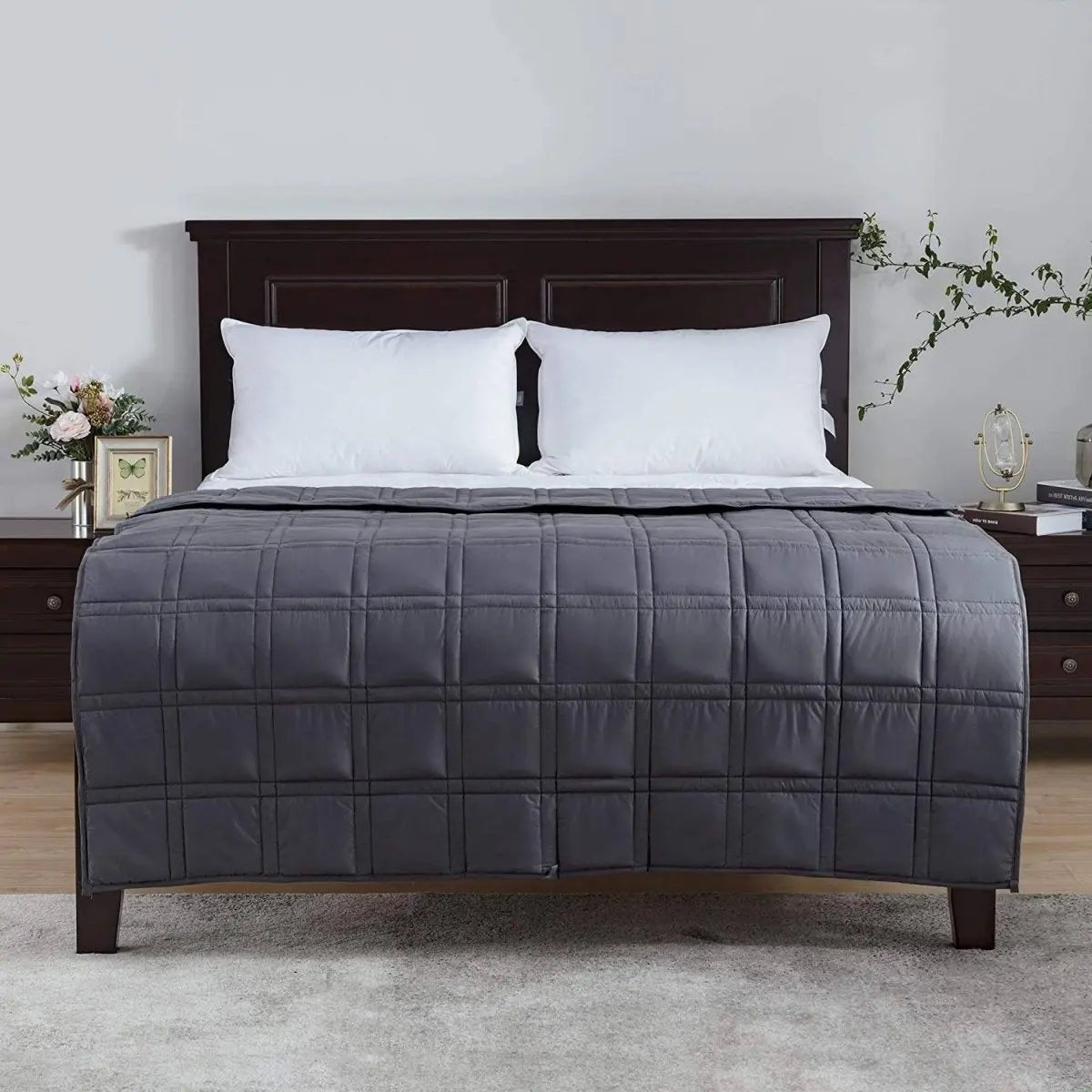





How to Choose Duvet Covers for Better Sleep
A duvet cover is the layer you feel every night, yet it is often chosen last - after the mattress, pillows, and duvet insert. Learning how to choose duvet covers with care can change the way your bed feels at the end of a demanding day: cooler when you run warm, softer against sensitive skin, and more inviting when your mind needs a quiet place to settle.
The right choice is not only about matching your bedroom. It is about building a sleep environment that supports your comfort, your routine, and the kind of rest you want to return to.
Start With the Feel You Want at Bedtime
Before comparing colors or patterns, think about what your current bedding is missing. If you wake up overheated, a heavy, tightly woven cover may work against you. If your bed feels a little bare or impersonal, a softly textured fabric in a calming tone can make the room feel more restorative.
For many people, the best duvet cover is the one that disappears into the routine. It feels comfortable from the moment you slide into bed, holds up to regular washing, and does not leave you adjusting your layers through the night.
Ask yourself a few simple questions. Do you sleep warm or cold? Do you prefer a crisp hotel-bed feel or a relaxed, lived-in softness? Are pets, children, allergies, or frequent laundry part of your everyday reality? Your answers will point you toward a material and finish that feels supportive rather than merely attractive.
How to Choose Duvet Covers by Fabric
Fabric has the biggest influence on breathability, texture, and care. There is no single best material for every sleeper, but understanding the differences makes the decision much easier.
Bamboo for cool, smooth comfort
Bamboo-derived fabrics are a thoughtful choice for hot sleepers, people experiencing night sweats, and anyone who enjoys a silky-smooth feel without the high-maintenance nature of silk. They are known for breathable, moisture-managing comfort that can help the bed feel less stuffy through the night.
A bamboo duvet cover can be especially appealing in warmer climates or bedrooms that hold heat. It also offers a refined drape, making the bed feel calm and polished without adding visual weight. Look for quality construction and clear care instructions, since gentle washing helps preserve its softness over time.
Cotton for familiar, versatile softness
Cotton is a dependable choice because it is breathable, easy to care for, and available in several distinct weaves. Percale cotton has a crisp, airy feel that suits warm sleepers and those who like fresh, cool sheets. Sateen cotton is smoother and slightly warmer, with a gentle sheen that feels more enveloping.
If you want one duvet cover to use year-round, cotton is often a practical middle ground. The weave matters as much as the fiber itself, so focus on the feeling you prefer rather than chasing the highest thread count on the label.
Linen for relaxed texture and airflow
Linen has a naturally airy, textured feel that softens with use. It is a beautiful option for sleepers who value breathability and an effortless, relaxed bedroom look. Its texture is not for everyone, especially if you want a very smooth surface against the skin, but many people find that its slightly rumpled finish makes a room feel less formal and more restful.
Linen can cost more upfront and may wrinkle easily. In return, it offers character, durability, and comfortable airflow in warm weather.
Flannel and brushed fabrics for cozy seasons
When cold nights arrive, flannel or brushed cotton can make getting into bed feel noticeably warmer. These fabrics hold warmth close, making them a good seasonal choice for naturally cold sleepers or cooler rooms.
The trade-off is that they can feel too warm for summer or for anyone prone to overheating. If you share a bed with someone who sleeps hot, consider a breathable cover and adjust warmth with the duvet insert instead.
Match the Cover to Your Duvet Insert
A duvet cover should fit the insert closely enough to prevent shifting, but not so tightly that the filling bunches or the corners strain. Check the dimensions of both pieces before ordering. Terms such as full/queen and king can vary by brand, so size names alone are not always enough.
If your insert is lofty or oversized, choose a cover with a little extra room. If you prefer a tidy, tailored bed, select a cover designed for the same dimensions as your insert. Corner ties are a small detail with a meaningful payoff: they help anchor the duvet in place, so you are not wrestling the cover back into position every morning.
Closures matter, too. Hidden buttons create a classic finish and are easy to repair if needed. Zippers tend to make changing the bed faster and keep the insert fully enclosed. Neither is inherently better. Choose based on the routine you are most likely to maintain.
Consider Warmth as a System, Not a Single Purchase
Your duvet cover adds some warmth, but it should not carry the full responsibility for temperature regulation. Think of your bedding as a system: sheets, duvet insert, cover, mattress, sleepwear, and room temperature all work together.
A lightweight bamboo or percale cover paired with an all-season insert gives you flexibility across changing weather. You can add a throw blanket when you need extra comfort, rather than replacing your entire bedding setup. This approach is especially useful for couples with different sleep temperatures.
If you sleep with a weighted blanket, a breathable duvet cover can also help balance the experience. The grounding pressure can feel deeply calming, while a cooling surface reduces the chance of feeling trapped in excess heat. Comfort should feel secure, never stifling.
Choose a Color That Helps Your Room Exhale
Your bedroom does not need to be perfectly styled to support better sleep. Still, visual calm has value, particularly when your day is busy or your mind is already carrying too much.
Soft neutrals, gentle grays, warm whites, muted blues, and earthy greens tend to create a quieter backdrop. These shades work well with changing seasons and are easy to layer with textured throws or pillows. Darker colors can feel cocooning and sophisticated, but they may show lint, pet hair, or fading more readily depending on the fabric.
If you love color or pattern, use it intentionally. A subtle stripe, small-scale print, or deep solid tone can add personality without making the bed feel visually restless. The goal is not to follow a trend. It is to create a space that makes you want to put your phone down and rest.
Look for Details That Make Care Easier
A duvet cover is designed to protect your insert, which means it should be easy enough to wash regularly. For most households, washable, durable fabric is more valuable than a delicate finish that requires special handling.
When comparing options, check for clear washing guidance, colorfast fabric, reinforced seams, and closure quality. OEKO-TEX-certified textiles can offer added reassurance that the fabric has been tested for harmful substances - a meaningful consideration when bedding rests against your skin for hours at a time.
It is also wise to own two duvet covers if your budget allows. A second cover makes laundry day simpler and lets you adjust your bed for the season: one cooling and light, one warmer and more textured. It is a small form of preparedness that keeps your sleep space feeling cared for.
A Few Common Duvet Cover Questions
Should a duvet cover be the same size as the duvet?
Usually, yes. Start with the exact measurements rather than the labeled size. A close match helps the insert fill the cover evenly, while a slightly roomier cover may suit an extra-fluffy insert.
What is the best duvet cover for hot sleepers?
Breathable bamboo, percale cotton, and linen are strong options for hot sleepers. The best choice depends on whether you prefer a silky feel, a crisp feel, or a more textured finish.
How often should you wash a duvet cover?
Every one to two weeks works well for many people, especially if you sleep with pets, have allergies, or tend to sweat at night. Always follow the fabric's care label to protect its feel and color.
Your bed is one of the few places where comfort can be deliberately uncomplicated. Choose a duvet cover that feels good against your skin, fits the way you sleep, and makes your nightly routine a little easier. When the layers around you feel considered, calm is easier to come home to.


Leave a comment