



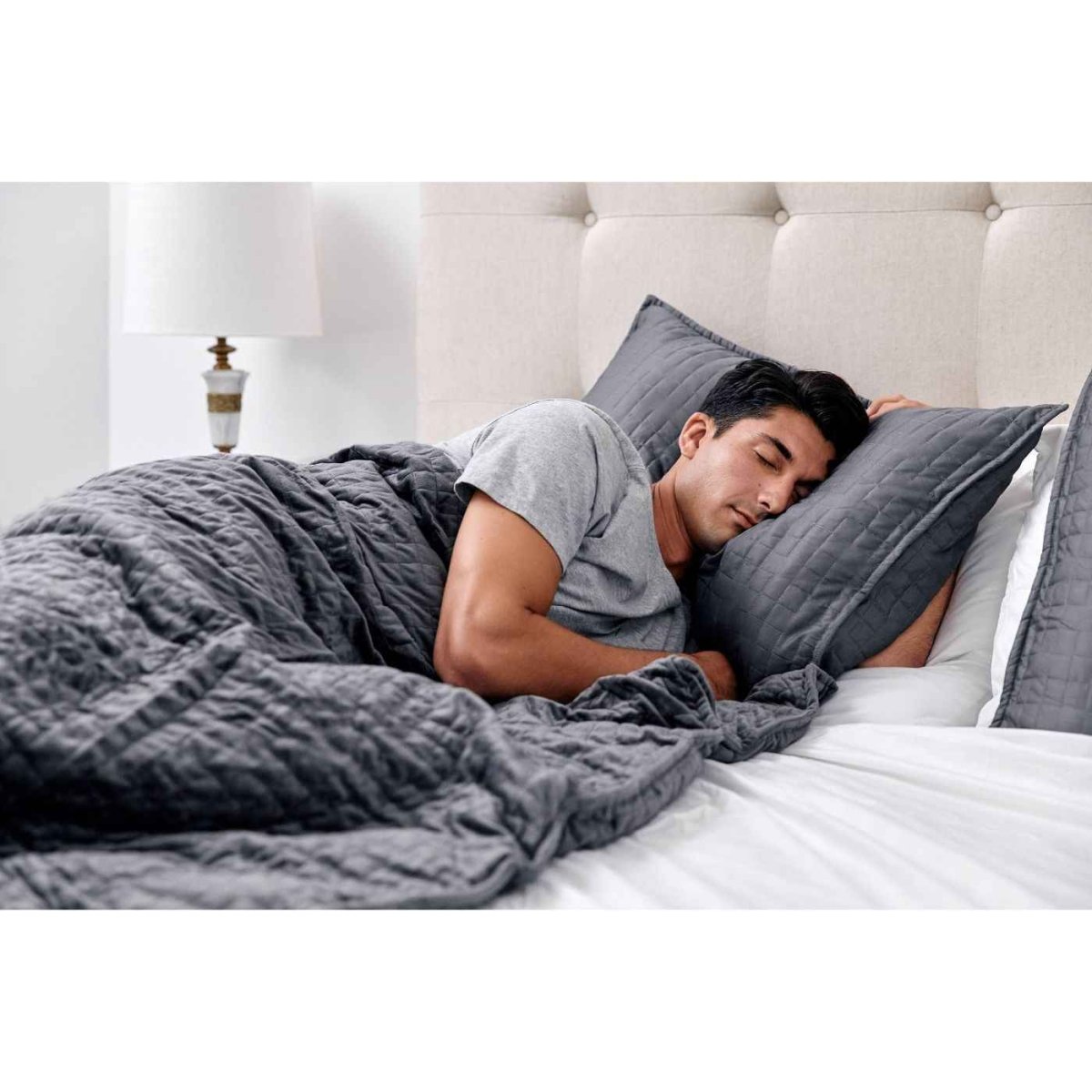
How to Pick the Right Weighted Blanket
A weighted blanket can feel amazing on the right night - calming, grounding, and surprisingly comforting. But if you pick the wrong weight, size, or fabric, it can just as easily feel too warm, too heavy, or awkward to sleep with. That is usually where people get stuck.
If you are wondering how to choose a weighted blanket, the best place to start is not with the trendiest style. It is with your body, your sleep habits, and the kind of comfort you actually want at the end of a long day.
How to choose a weighted blanket for your body
The most common rule of thumb is to choose a blanket that is about 10% of your body weight, then adjust slightly based on preference. For many adults, that means deciding between a lighter option that feels gently calming and a heavier one that gives more noticeable pressure.
If you are between sizes, think about how you like your bedding to feel. Some sleepers love a secure, cocooned sensation and do well with the heavier option. Others want the calming effect without feeling pinned down, especially if they shift positions often or tend to overheat. In that case, going a little lighter usually makes more sense.
This is also where expectations matter. A weighted blanket should feel comforting, not restrictive. You should be able to move under it and adjust your position without effort. If the idea of heavy bedding already makes you hesitate, that is a sign to stay on the lighter side.
A quick note on children
For children, weighted blankets should always be selected with extra care and according to product guidance. The fit, weight, and age suitability matter far more than choosing a blanket that a child can "grow into." A blanket that is too heavy is not a better value - it is simply the wrong fit.
Size matters more than most people think
People often assume they should choose a weighted blanket the same way they choose a regular comforter. Usually, that leads to going too large. With weighted blankets, bigger is not always better.
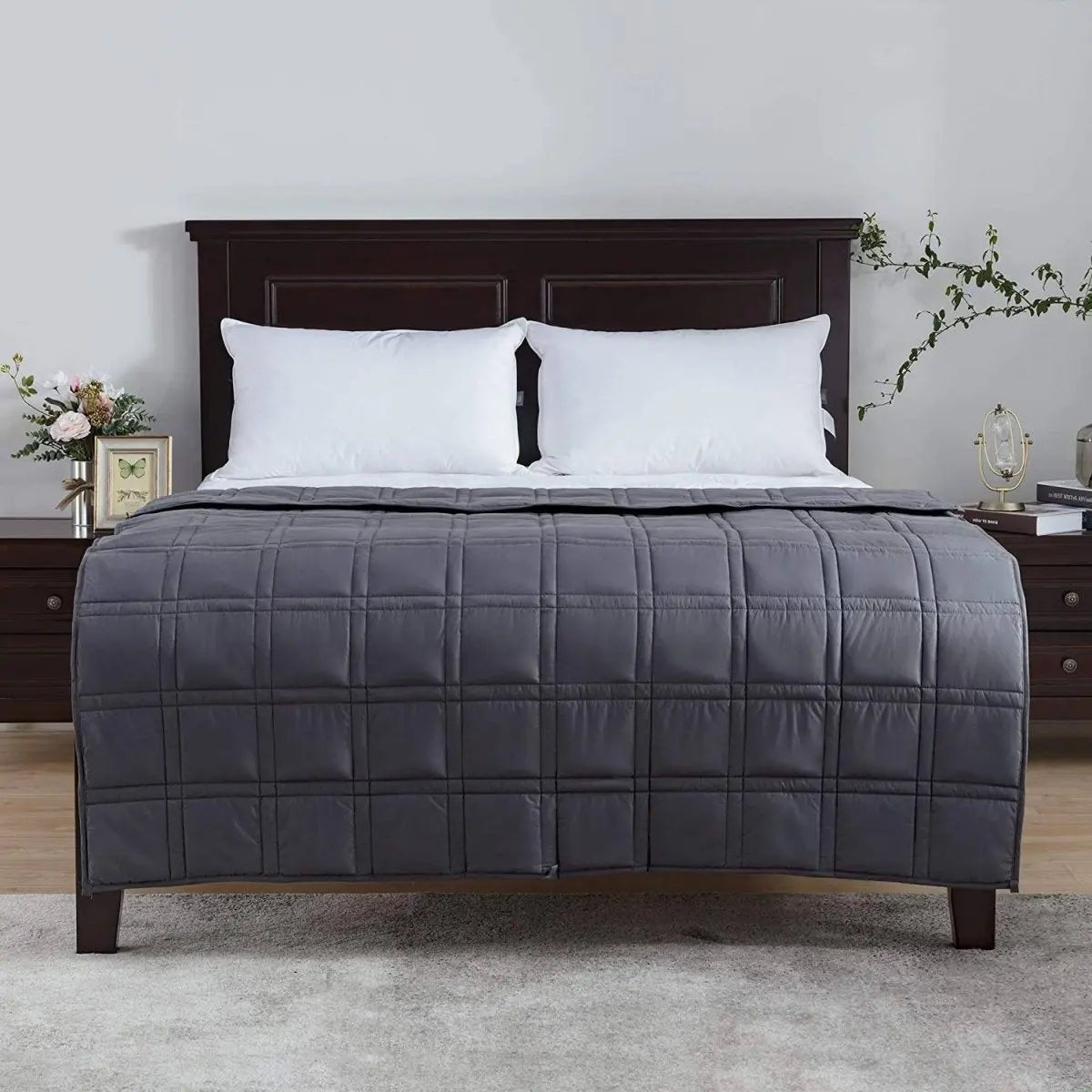
A weighted blanket is generally meant to rest over the body, not drape far over the sides of the bed. If it is oversized, the weight can pull downward and shift off the mattress, which makes it feel less effective and more frustrating to use. A better fit is one that covers your body comfortably while staying put through the night.
If you sleep alone, a single-person weighted blanket is often the best choice, even on a larger mattress. If you share a bed, it depends. Some couples prefer separate weighted blankets so each person can choose the weight and fabric that suits them. Others want one shared blanket, but that only works well when both sleepers have similar comfort preferences.
If you toss and turn
Choose a size that gives you enough coverage without excess fabric. A blanket that is too wide can bunch up or slide around, especially if you change positions often. For restless sleepers, a slightly more compact blanket often feels better in real life than a larger one that looks more luxurious on the bed.
The best weighted blanket depends on how warm you sleep
This is the part many shoppers underestimate. Weight gets the attention, but fabric often determines whether you will actually use the blanket every night.
If you tend to run hot, look for breathable materials that help release heat instead of trapping it. Cooling bamboo, moisture-wicking fabrics, and all-season constructions are a smart choice for year-round comfort. These options give you the calming pressure of a weighted blanket without turning your bed into a heat trap.
If you are usually cold, or you want a blanket that feels extra cozy in winter, plush fabrics like sherpa can be incredibly comforting. They add warmth fast and create that tucked-in feeling many people want when stress is high and sleep feels hard to settle into.
There is a trade-off, of course. The warmest fabrics are not always the best for summer, and the coolest options may feel less plush if what you really want is softness and warmth. If your comfort changes with the seasons, an all-season blanket system or removable duvet cover can make the blanket more versatile.
Think about your sleep goal, not just the product
Not every shopper wants a weighted blanket for the same reason. Some people want help winding down at bedtime. Some want to feel less restless through the night. Others are looking for support with anxiety, sensory overload, or that hard-to-describe feeling of never fully settling into bed.
The right blanket depends partly on what result you are hoping for.
If your main goal is stress relief before sleep, you may not need the heaviest option. A medium weight paired with a soft, breathable fabric can be enough to help your body relax. If your goal is a stronger grounded sensation while you sleep, you may prefer something a little heavier, as long as it still feels comfortable to move under.
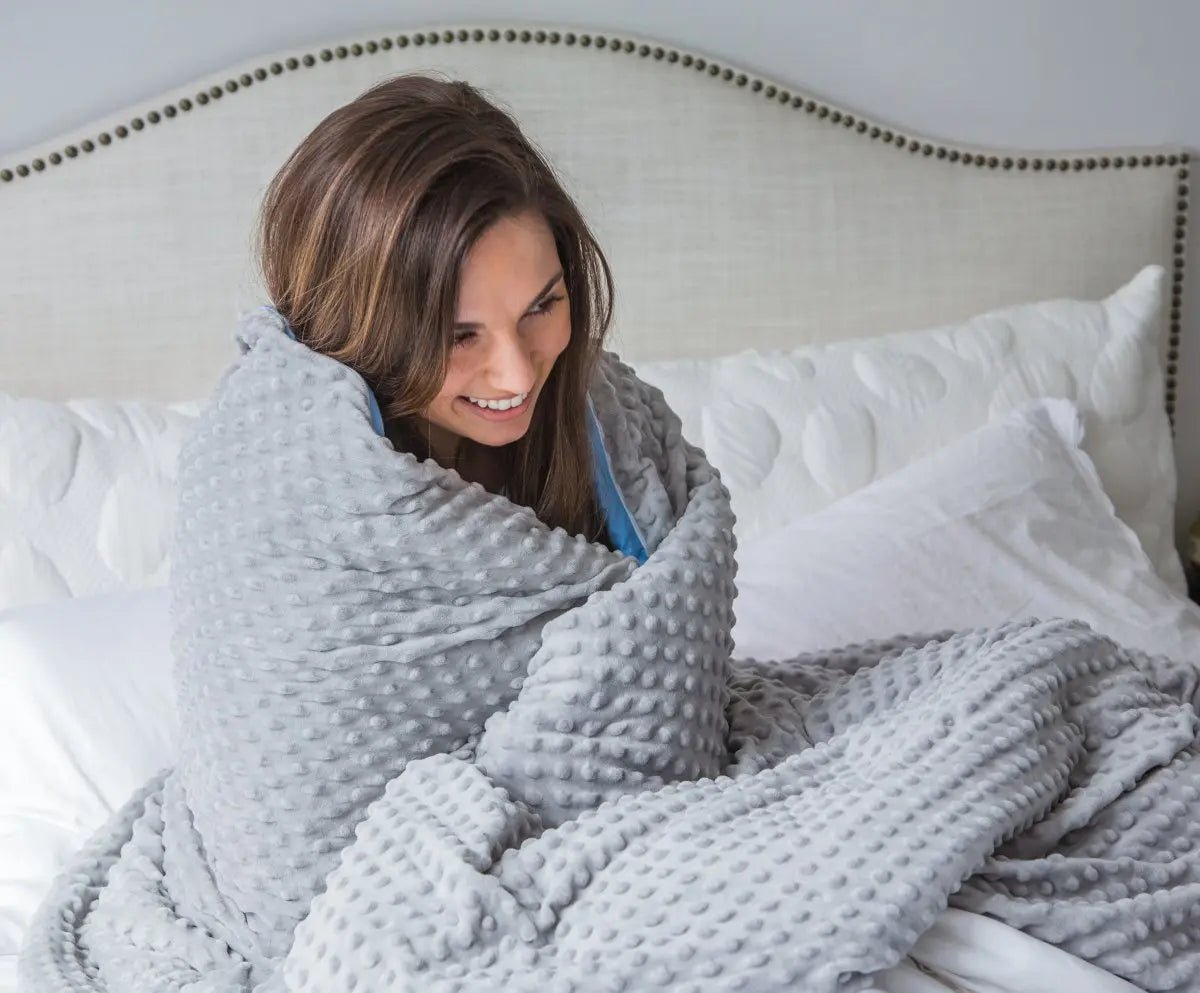
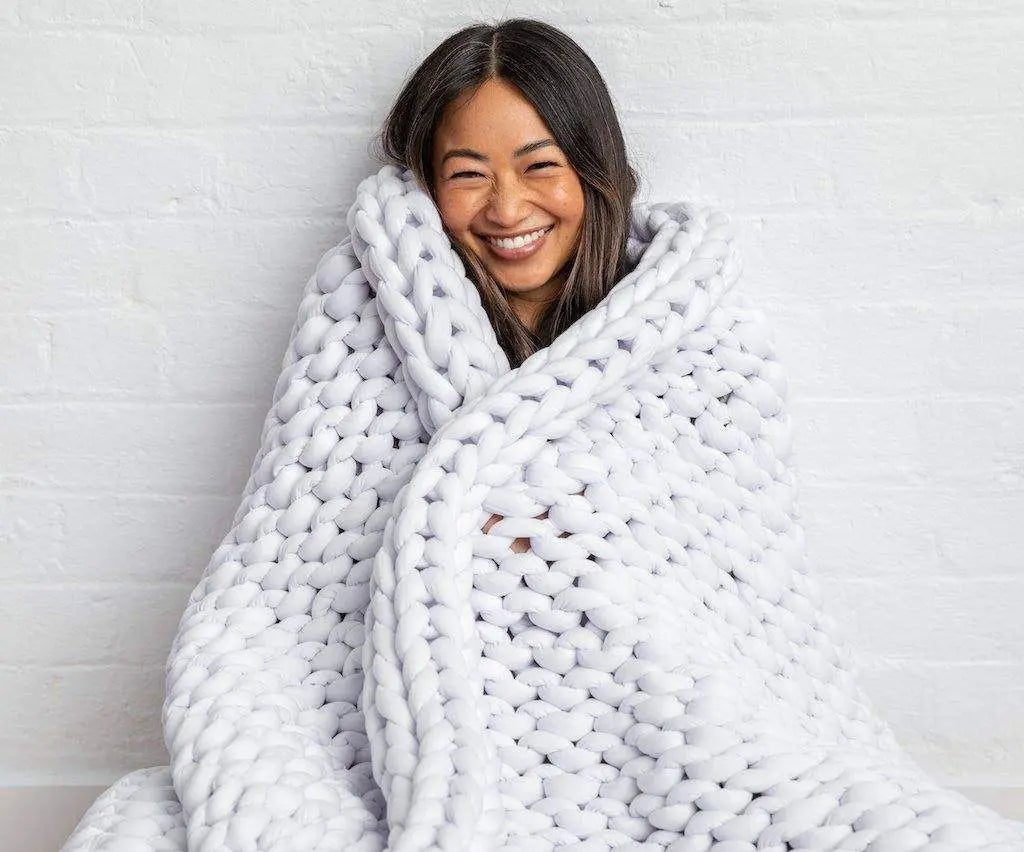
For sensory-sensitive sleepers, texture can matter just as much as weight. Some people find smooth bamboo calming. Others feel more comforted by a plush or chunky knit finish. The pressure matters, but the hand-feel of the fabric can change the whole experience.
How to choose a weighted blanket if you share a bed
A shared bed adds another layer to the decision. One person may sleep hot while the other sleeps cold. One may love deep pressure while the other prefers lighter bedding. That is why a single "best" blanket for couples does not really exist.
If your sleep styles are different, separate weighted blankets are often the easiest solution. It sounds simple because it is. Each person gets the weight, size, and fabric that works for their body, and nobody spends the night negotiating for comfort.
If you do want one blanket for two people, be realistic. It should fit both body sizes comfortably, feel manageable for both sleepers, and suit the warmer sleeper first. A blanket that is too hot or too heavy for one partner usually does not get used for long.
Construction and materials affect comfort over time
A weighted blanket is not just fabric plus fill. How it is made affects how evenly the weight sits on the body and how well the blanket holds up with regular use.
Look for even weight distribution so the filling stays in place rather than gathering in one area. Secure stitching and quality materials matter because a blanket that shifts or clumps will not feel nearly as calming after a few weeks. Premium finishes, breathable covers, and certified fabrics can also make a difference if you are sensitive to texture or want something that feels cleaner and more comfortable against the skin.
This is one reason many shoppers prefer a curated sleep brand over a generic marketplace option. If a blanket is meant to support better rest, it should feel thoughtfully designed for nightly use, not just heavy.
Practical details that make the choice easier
There are a few final filters that can help narrow things down quickly.
First, think about maintenance. Some weighted blankets come with removable covers, which makes regular care much easier. If you want something low-effort, this feature can matter more than you expect.
Second, consider seasonality. If you only want one blanket year-round, breathable and adaptable fabrics are usually the safer choice. If you like switching your bedding with the weather, you may prefer a cooler blanket for warmer months and a cozier texture for winter.
Third, pay attention to trial periods and returns. Weighted blankets are personal. What feels ideal for one sleeper can feel completely off for another. A 60-night trial, like the one offered at better-sleep.ca, can take the pressure out of choosing and let you focus on how the blanket actually feels in your home.
Signs you have found the right one
The right weighted blanket usually feels right quite quickly. You settle faster. Your body feels less restless. Bedtime feels a little less busy in your mind.
That does not mean every night becomes perfect overnight. But the blanket should add comfort, not create a new problem to solve. If you are constantly kicking it off, feeling overheated, or struggling to adjust under the weight, it is likely not the best fit.
A good weighted blanket supports your routine in a way that feels natural. It becomes the thing you reach for after a stressful day, during a hard week, or whenever your nervous system needs a little help calming down.
The best choice is the one that matches your body, your temperature needs, and the kind of comfort you want to come home to - because better sleep usually starts with feeling safe, settled, and completely at ease in your own bed.


Leave a comment