


Weighted Stuffed Animal for Anxiety: Is It Worth It?
A racing mind does not always respond to logic. Sometimes it responds better to gentle pressure, a familiar shape, and something soft enough to hold close. That is why a weighted stuffed animal for anxiety can feel surprisingly effective. It combines emotional comfort with the grounding effect of weight, offering a simple way to settle the body when stress starts to rise.
For some people, that comfort shows up during bedtime. For others, it matters most in the middle of a hard afternoon, during travel, or after an overstimulating day. The appeal is not just that it feels cozy. It is that the right amount of weight can help the body shift toward calm in a way that feels immediate, soothing, and easy to return to.
What a weighted stuffed animal for anxiety actually does
A weighted stuffed animal is exactly what it sounds like - a plush comfort object with added weight inside. That weight is usually distributed through beads, pellets, or layered fill, creating gentle pressure when placed on the chest, lap, or held in the arms.
This pressure is often compared to the effect of weighted blankets. It is not identical, because the coverage is smaller and more targeted, but the idea is similar. Many people find that steady, light pressure helps reduce physical restlessness and supports a greater sense of security. When anxiety feels physical as much as mental, that matters.
The benefit is often less about stopping anxious thoughts and more about softening the body's response to them. A tense jaw, shallow breathing, tight shoulders, and fidgeting can all make stress feel louder. A weighted plush can create a small but meaningful interruption to that cycle.
Why some people prefer it to a weighted blanket
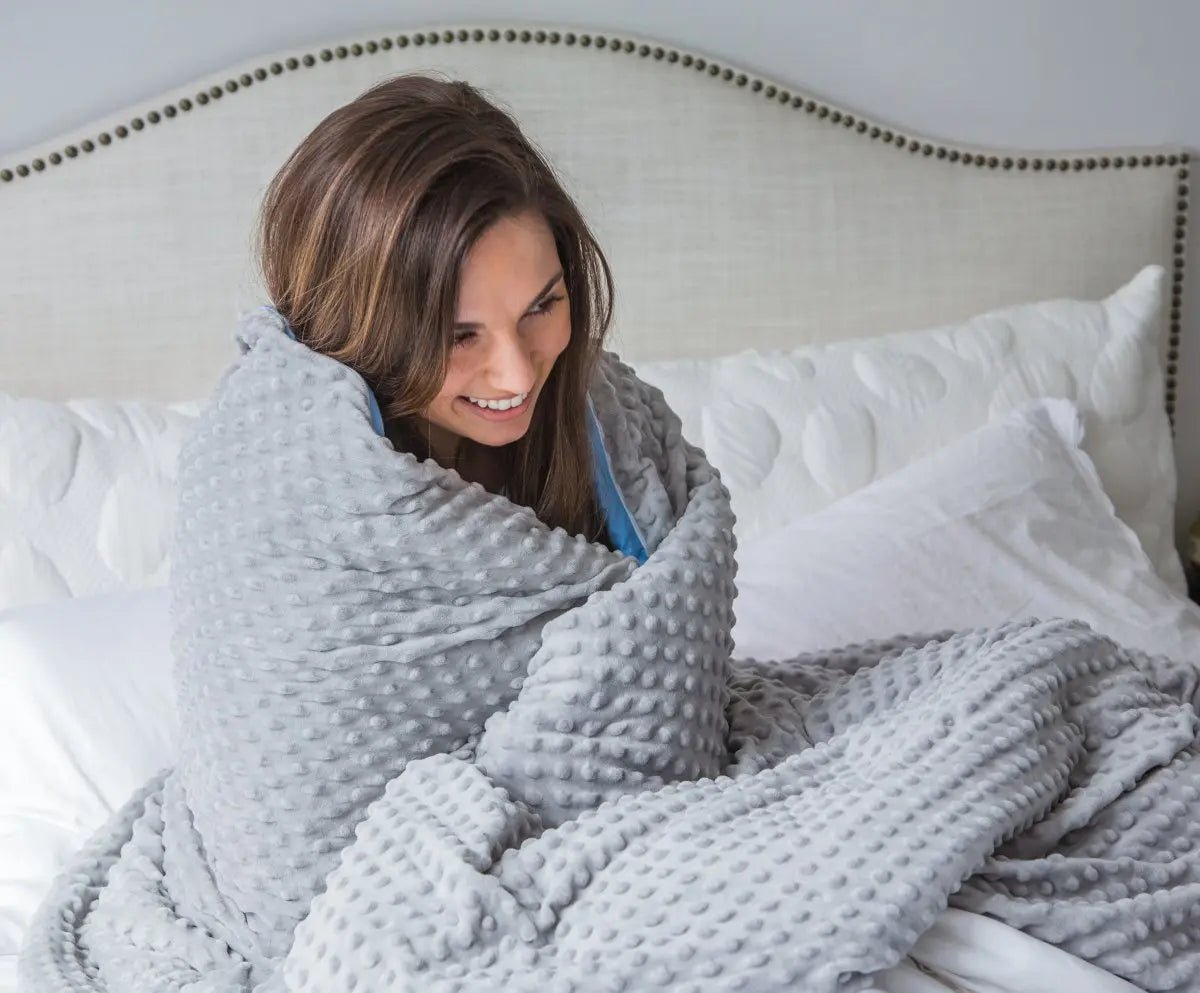
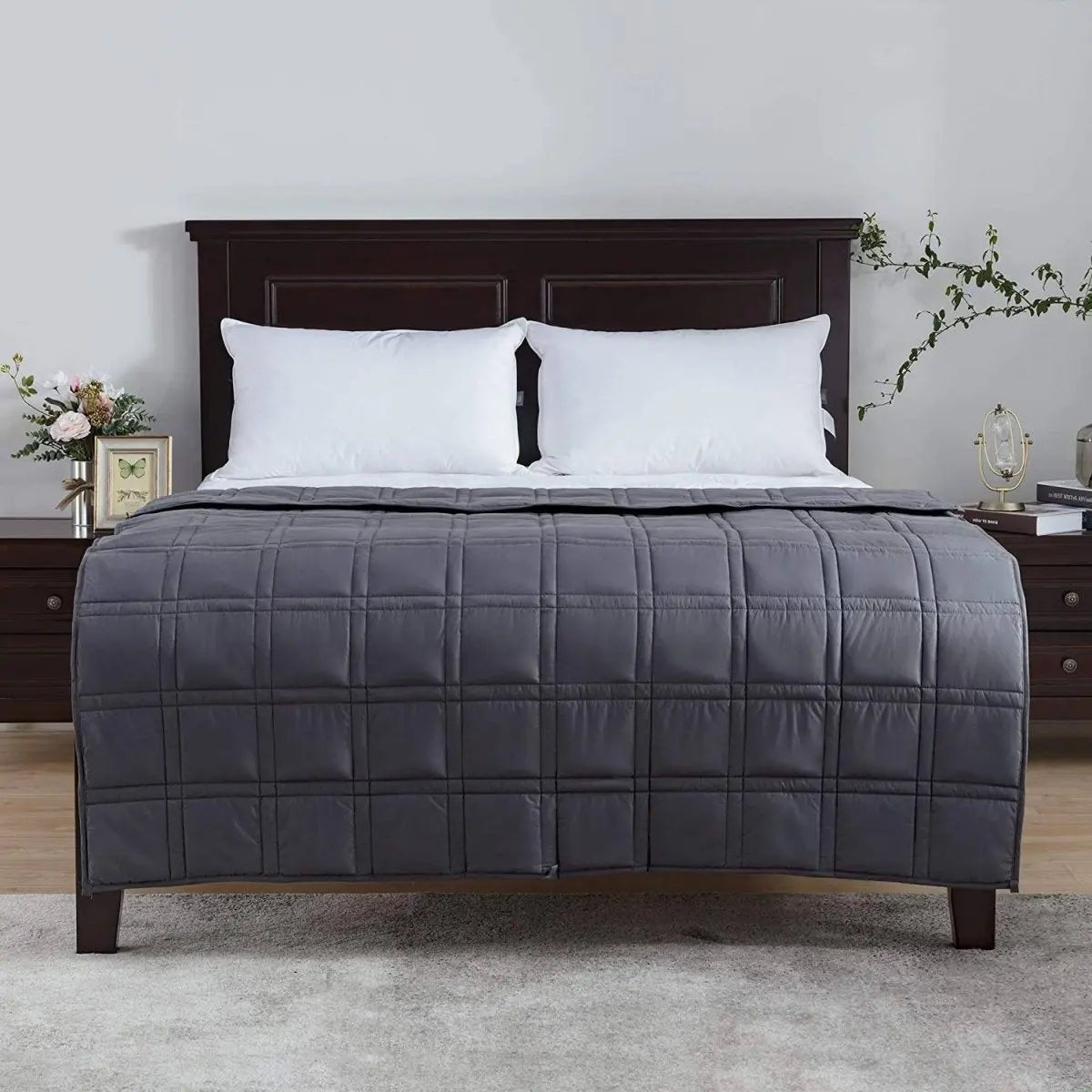
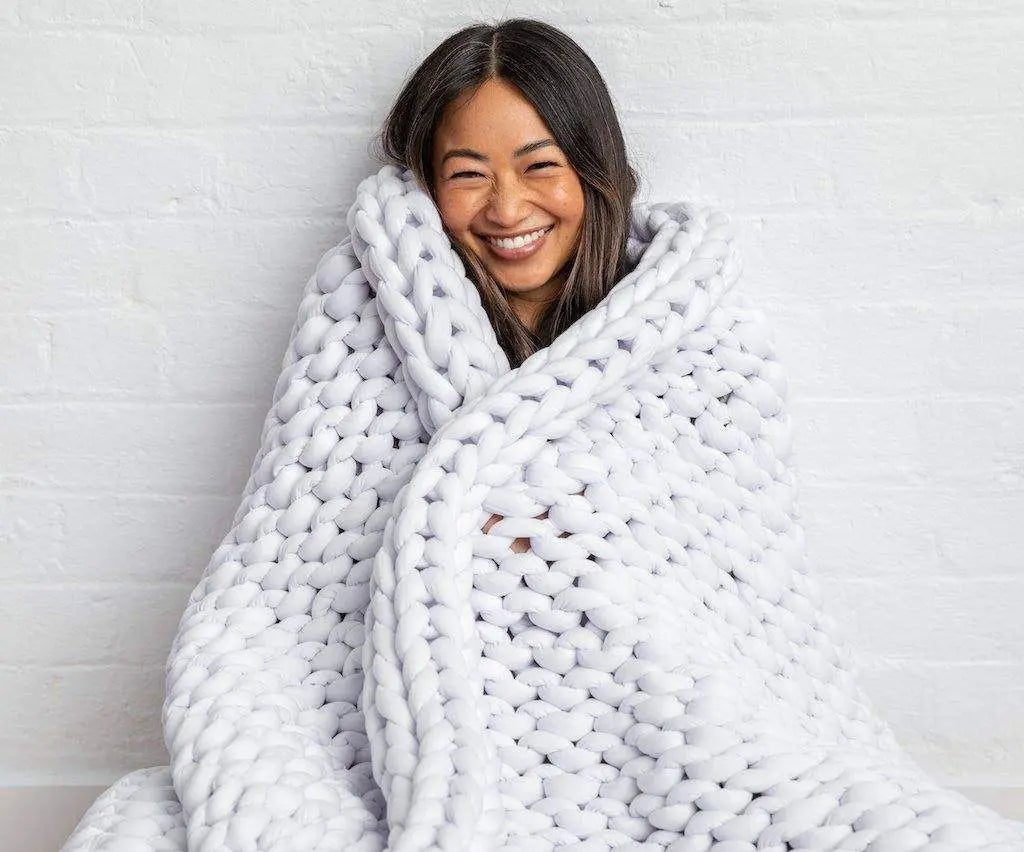
Weighted blankets remain one of the most trusted tools for everyday calm, especially at bedtime. But they are not always the right fit for every moment. A weighted stuffed animal is smaller, easier to carry, and less committing. You can keep one on the couch, in a home office, or beside the bed without changing your whole sleep setup.
That makes it especially appealing for people who want flexibility. If you like the idea of therapeutic weight but tend to overheat, dislike full-body pressure, or need something more portable, a plush option may feel easier to use consistently.
There is also an emotional difference. A blanket offers broad comfort. A stuffed animal adds familiarity and softness in a more personal way. For adults, that can be deeply reassuring, even if they have not owned a plush comfort item in years. For children, it often feels instantly intuitive.
Who it helps most
A weighted stuffed animal for anxiety can be a strong fit for adults who carry tension in their body, have trouble winding down at night, or need a comforting object during stressful periods. It can also help children who respond well to sensory support, especially during transitions like bedtime, school changes, or travel.
That said, results depend on the person. Some people love the localized pressure of a weighted plush. Others need the fuller coverage of a weighted blanket to feel a noticeable difference. If anxiety tends to show up mostly at night, a blanket may offer more complete support. If it appears in short waves throughout the day, a smaller comfort piece may be easier to reach for in the moment.
It can also be a thoughtful gift. When someone is overwhelmed, grieving, or struggling to rest, practical comfort often means more than decorative comfort. A well-made sensory piece feels personal without being overly complicated.
How to choose the right one
Not all weighted plush products feel equally calming. The best choice usually comes down to weight, materials, and where you plan to use it.
Start with manageable weight
Heavier is not always better. A weighted stuffed animal should feel grounding, not restrictive. If it feels awkward to hold or tiring after a few minutes, it is probably too heavy. For children, weight should be chosen especially carefully and used according to age and safety guidance.
For adults, the right feel is often one that settles naturally against the body without constant adjustment. It should offer presence, not pressure that feels demanding.
Look at fabric and finish
Texture matters more than many people expect. Anxiety often heightens sensory sensitivity, so scratchy fabrics, noisy filling, or stiff seams can work against the calming effect. Soft, breathable materials tend to feel more soothing, especially if the plush will be used at bedtime or held close to the face and chest.
This is where premium design makes a difference. Materials that are soft but still durable, and construction that keeps the weight evenly distributed, create a more refined experience over time.
Think about where it will live
Will it stay on the bed, move from room to room, or travel in the car? A larger plush may feel more substantial at night, while a smaller one is easier for daytime use. If you are choosing for a child, portability often matters because comfort objects rarely stay in one place.
When it works best
The strongest results often come from using a weighted comfort piece as part of a rhythm rather than a last resort. In other words, it tends to work best when the body begins to associate it with safety and rest.
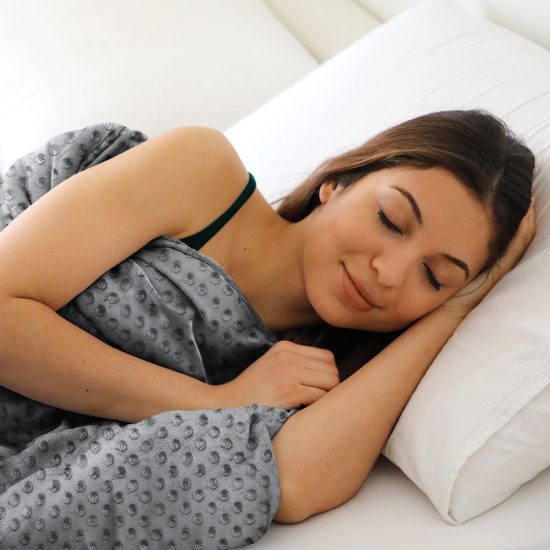
At night, that might mean holding it while reading, using it during a wind-down routine, or placing it across the chest while lying in bed. During the day, it might be kept nearby during stressful calls, moments of overstimulation, or after work when it is hard to shift out of alert mode.
This kind of support is subtle. It is not meant to overpower your environment. It helps create a small pocket of calm inside it.
Weighted stuffed animal for anxiety vs. other calming tools
If you are deciding between sensory comfort options, the right answer depends on what kind of relief you want.
A weighted stuffed animal is best for targeted comfort, portability, and emotional reassurance. It is easy to pick up for ten minutes and easy to keep nearby.
A weighted blanket is better for full-body grounding and deeper bedtime support. If your main goal is longer, more restorative sleep, many adults find a blanket delivers more noticeable overnight benefits.
A weighted sleep mask can help if your stress concentrates around bedtime and light sensitivity. Cooling bedding may help if anxiety and overheating tend to arrive together.
Often, the best setup is layered. Someone might use a weighted plush during evening downtime, then switch to a weighted blanket for sleep. That combination can feel especially supportive for people who need calm before they can actually rest.
A few important trade-offs
A weighted plush is comforting, but it is not a substitute for mental health care. If anxiety feels intense, persistent, or disruptive to daily life, it is worth speaking with a licensed professional. Sensory tools can help, but they work best as part of a broader approach to well-being.
It is also worth being honest about expectations. Some people feel immediate relief. Others simply feel a little more settled, and that smaller shift still has value. Better sleep and lower stress often come from consistent, layered habits rather than one dramatic fix.
Safety matters too. Weighted products are not appropriate for every age or every medical situation. Children should always use them with adult supervision and according to product guidance.
What makes one feel worth buying
The difference between a novelty item and a genuinely useful comfort piece usually comes down to quality. Good weight distribution, soft hand-feel, breathable materials, and thoughtful construction matter more than cute styling alone.
For a product tied to rest and emotional ease, trust matters too. Shoppers are right to want materials that feel safe, durable, and intentionally chosen. Brands that already understand therapeutic comfort, breathable fabrics, and sensory design often bring more credibility to this category than trend-driven gift brands.
That is one reason many customers who start with plush sensory comfort eventually explore other sleep tools as well. If a smaller weighted item helps the body settle, it often opens the door to building a more calming bedroom overall. Better Sleep approaches comfort in exactly that way - as something practical, restorative, and designed to support everyday well-being.
Is it worth trying?
If anxiety tends to feel physical, and if comfort helps you regulate, a weighted stuffed animal may be more than a sweet idea. It can be a useful, low-effort support tool that fits naturally into daily life. Not everyone will prefer it over a blanket, and not every plush product will feel equally effective. But for the right person, the combination of softness, weight, and familiarity can make calm feel more accessible.
Sometimes relief starts small. A quieter chest. Looser shoulders. An easier exhale. And sometimes that is exactly enough to help the rest of the night go differently.

Leave a comment