



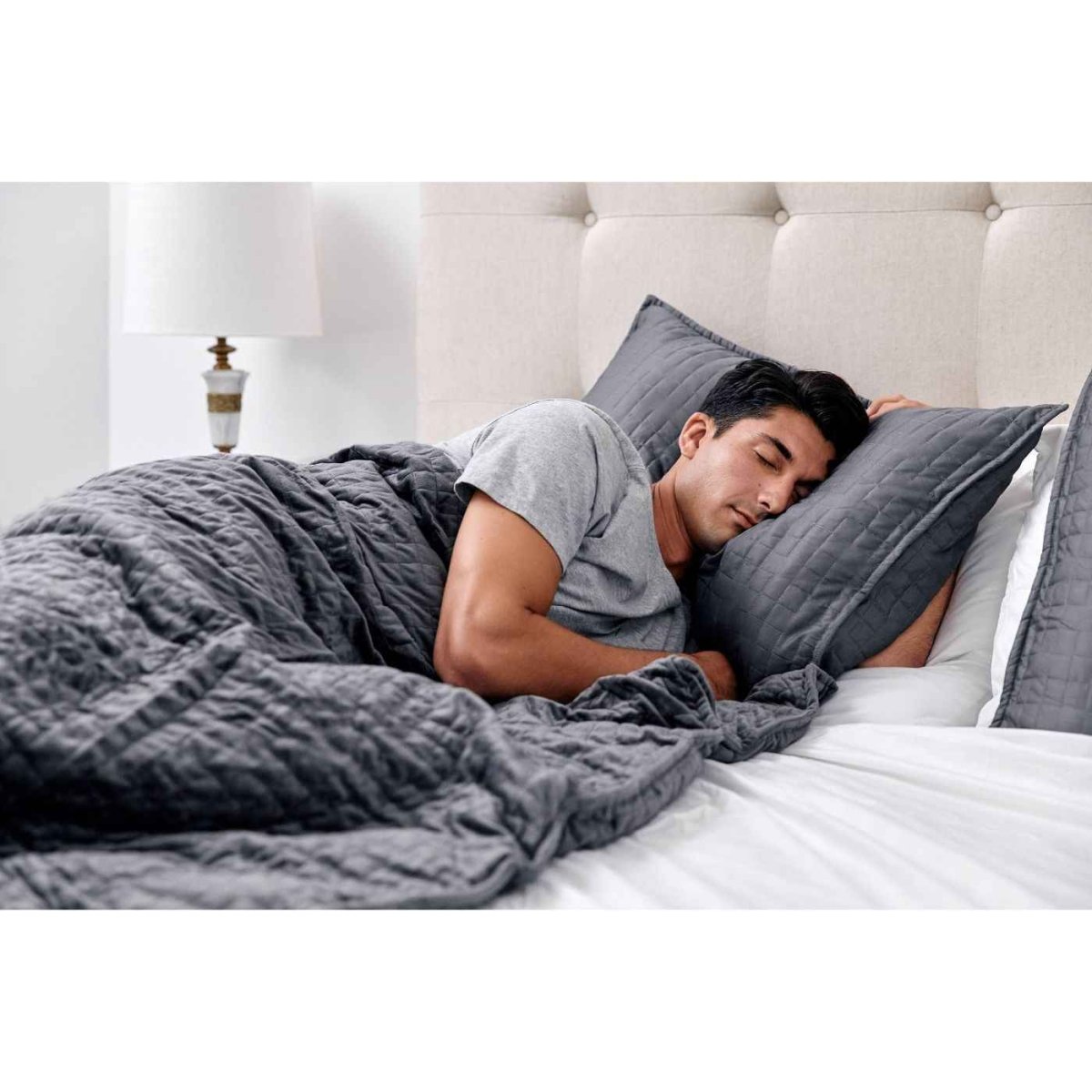
Are Bamboo Sheets Good for Winter?
Cold nights tend to make bedding decisions feel surprisingly personal. If you wake up chilled, kick layers off by 3 a.m., or share a bed with someone who sleeps at a completely different temperature, it makes sense to ask: are bamboo sheets good for winter?
The short answer is yes, for many sleepers. But not because bamboo sheets trap heavy heat. They tend to work well in winter because they help maintain a more balanced sleep temperature, feel soft against dry seasonal skin, and layer beautifully with warmer bedding. If you want sheets that feel crisp, insulating, and flannel-warm the moment you slip into bed, bamboo may not be your ideal winter fabric. If you want comfort that feels breathable, smooth, and easier to sleep in all night, bamboo can be an excellent cold-weather choice.
Are bamboo sheets good for winter or too cooling?
This is where the confusion usually starts. Bamboo sheets are often marketed as cooling, so people assume they are only for summer. In reality, cooling and cold are not the same thing.
Bamboo fabric is breathable and moisture-wicking, which means it helps release excess heat and move sweat away from the body. That matters in winter too. A lot of people overheat under comforters, especially in heated homes or when layering duvets, blankets, and sleepwear. If your bedding traps too much warmth, you may fall asleep cozy and wake up damp, restless, or kicking covers away.
Bamboo helps regulate rather than smother. It supports a steadier sleep environment, which can feel much better than intense warmth followed by overheating. For people who sleep hot year-round, this is often exactly what makes bamboo sheets a strong winter option.
That said, bamboo does not usually create the same immediate warm sensation as flannel or heavyweight cotton. It feels smoother, lighter, and more temperature-neutral when you first get into bed. Some sleepers love that refined softness. Others want a cozier, brushed feel in the coldest months.
What bamboo sheets feel like in winter
Winter comfort is not only about heat. Texture matters too.
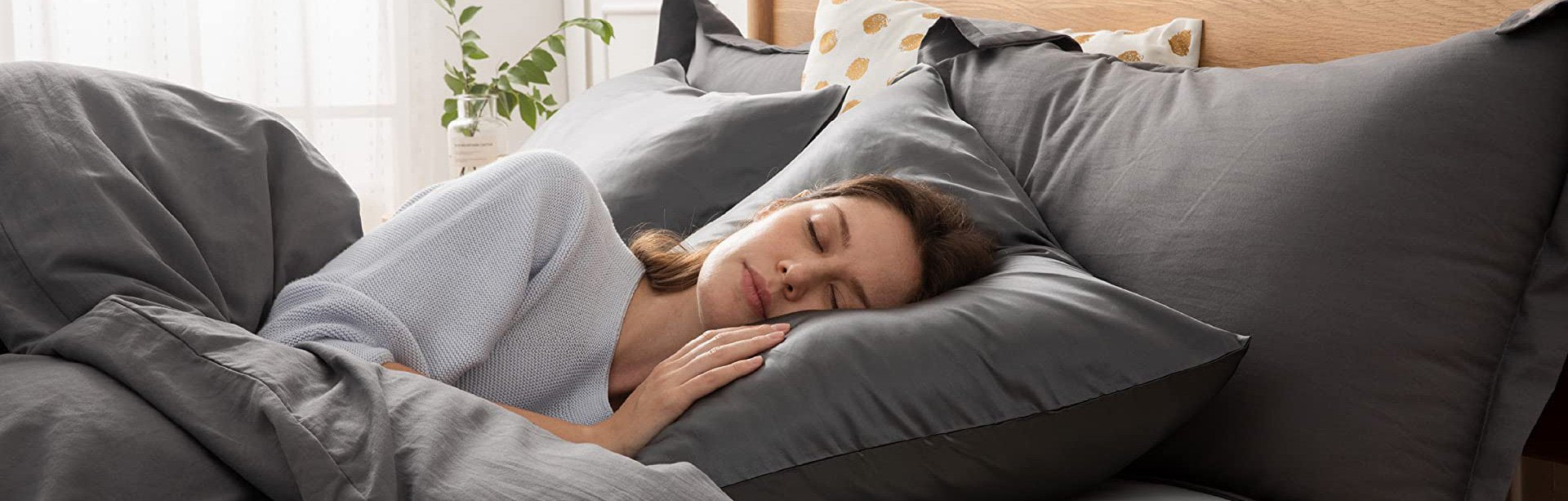
Bamboo sheets are known for a soft, silky hand-feel that can feel especially soothing during colder months, when skin tends to be drier and more sensitive. Rougher fabrics can feel irritating in winter, especially if you deal with eczema, seasonal dryness, or sensory sensitivity. Bamboo tends to glide more gently over the skin, which many people find calming at bedtime.
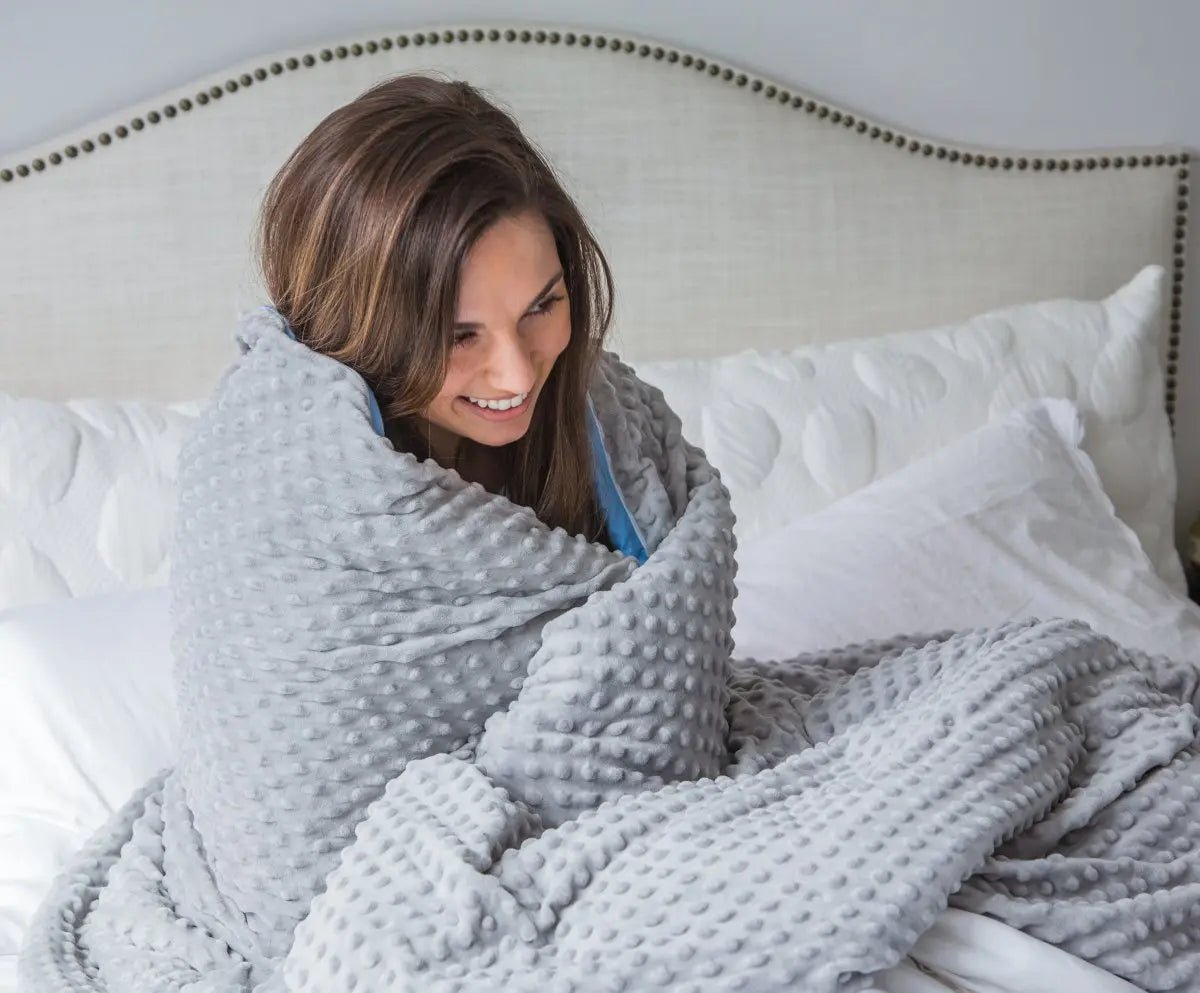
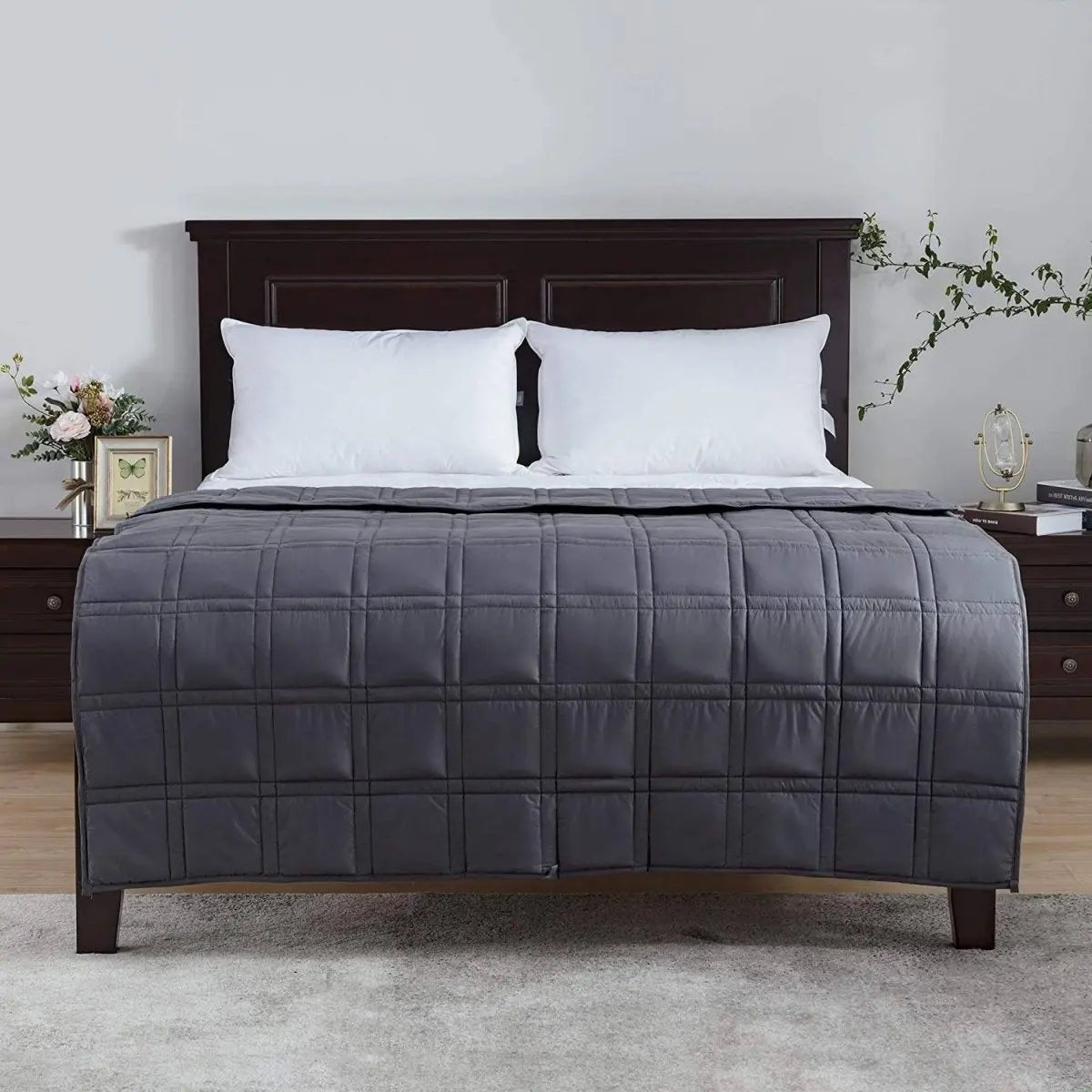
They also drape nicely. Instead of feeling stiff or bulky, they create a smooth, relaxed bed that layers well under quilts, duvets, and weighted blankets. If your goal is to build a winter bed that feels warm without feeling heavy or stuffy, bamboo can be a smart foundation.
Still, your room temperature matters. In a mildly cool bedroom, bamboo often feels ideal. In a very cold room with minimal top layers, the fabric may not feel warm enough on its own. That is less a flaw in bamboo and more a reminder that sheets are just one part of the sleep system.
Who bamboo sheets are best for in cold weather
Bamboo tends to shine for sleepers who want warmth with breathing room.
If you sleep hot, run anxious at night, or feel uncomfortable when bedding gets too dense, bamboo can offer a calmer kind of winter comfort. It helps reduce that trapped-in-bed feeling some heavier fabrics create. It is also a strong option for couples with different temperature preferences, since breathable sheets are easier to adapt with layers than overly insulating ones.
They are also a good fit for people who want one sheet set for most of the year. Instead of swapping between summer and winter fabrics, many sleepers choose bamboo because it stays comfortable across seasons. That can simplify your routine and make your bedding feel more consistent.
For wellness-minded shoppers, there is another practical benefit. When your bedding supports more stable temperature and less moisture buildup, sleep can feel less interrupted. That may not sound dramatic, but small improvements in comfort often have a real effect on how rested you feel.
When bamboo sheets may not be the best winter choice
There are some cases where bamboo may not give you what you want.
If you sleep cold all night, keep your room quite chilly, and love the feeling of pre-warmed bedding, flannel may feel more satisfying. The same goes for anyone who wants thick, insulating fabric that holds onto heat. Bamboo is soft and adaptable, but it is not plush in the same way.
You may also find bamboo less ideal if you rely on sheets alone for warmth. In winter, the top layer matters more than many people think. A good duvet, blanket, or comforter does most of the insulating work. Sheets affect next-to-skin feel and breathability, but they are not meant to replace proper layering.
So if bamboo has felt too cool in the past, the issue may have been the rest of the bed setup rather than the sheets themselves.
How to make bamboo sheets feel warmer in winter
If you love the softness of bamboo but want a cozier winter bed, the answer is usually in how you layer it.
Start with bamboo sheets as your base layer, then add warmth above. A quality duvet, quilt, or weighted blanket can create the insulation bamboo sheets do not try to provide on their own. This combination often works especially well because the sheets keep the sleep surface breathable while the upper layers hold warmth around you.
Mattress toppers can help too. If your bed feels cold from underneath, no sheet fabric will fully fix that. Adding a topper creates more insulation and softness, which changes the whole feel of the bed.
You can also adjust your sleepwear. Lightweight long sleeves or warmer socks often make a bigger difference than switching away from bamboo. For many people, that is enough to keep the bed comfortable without giving up breathability.
Are bamboo sheets good for winter if you have night sweats?
Yes, often more than traditional winter fabrics.
Night sweats do not stop when the weather gets colder. In fact, they can become more noticeable in winter because people add heavier blankets and turn up the heat indoors. If that sounds familiar, bamboo can be a better choice than thick cotton or flannel because it helps manage moisture and excess heat.
That matters for comfort, but also for sleep continuity. Waking up sweaty, then cooling off too quickly, can leave you chilly and uncomfortable for the rest of the night. Bamboo helps reduce that cycle by keeping the sleep surface drier and less stifling.
For sleepers dealing with stress, hormonal changes, or temperature fluctuations, that balance can feel more restorative than maximum warmth.
Bamboo vs. flannel for winter
If you are deciding between the two, think about your sleep style rather than the season alone.
Flannel is warmer on first contact and better at creating that classic cozy winter-bed feeling. It is ideal if you want softness with a brushed, insulating finish and tend to feel cold in bed.
Bamboo is better for breathability, moisture control, and year-round comfort. It is often the stronger choice if you overheat easily, dislike bulky fabrics, or want your bedding to feel smooth and calming rather than heavy.
Neither is universally better. The right option depends on whether your winter discomfort comes from being too cold or from struggling to stay comfortably balanced through the night.
What to look for in winter-ready bamboo sheets
Not all bamboo sheets feel the same. Weave, fabric quality, and overall construction all affect how they perform.
If you want bamboo sheets for winter, look for sets that feel substantial but still breathable. A very thin or low-quality fabric may feel less comforting in colder weather. Well-made bamboo sheets usually have a smoother finish, better durability, and a more refined drape.
It is also worth paying attention to the rest of your sleep setup. Bamboo sheets paired with a supportive topper and a well-chosen blanket can feel far more winter-ready than warmer sheets paired with bedding that traps too much heat or feels rough against the skin. At Better Sleep, that layered approach is central to creating a bed that supports deeper rest instead of forcing one temperature profile on every sleeper.
So, are bamboo sheets good for winter? For many people, absolutely. They are especially well suited to anyone who wants soft, breathable comfort and a bed that feels calm rather than overheated. And if your nights need a little more warmth, the simplest answer is often not replacing bamboo, but layering it with intention so your bed works with your body, not against it.
The best winter bedding is the kind that lets you settle in, stay comfortable, and wake up without feeling like you spent the night fighting your sheets.


Leave a comment