



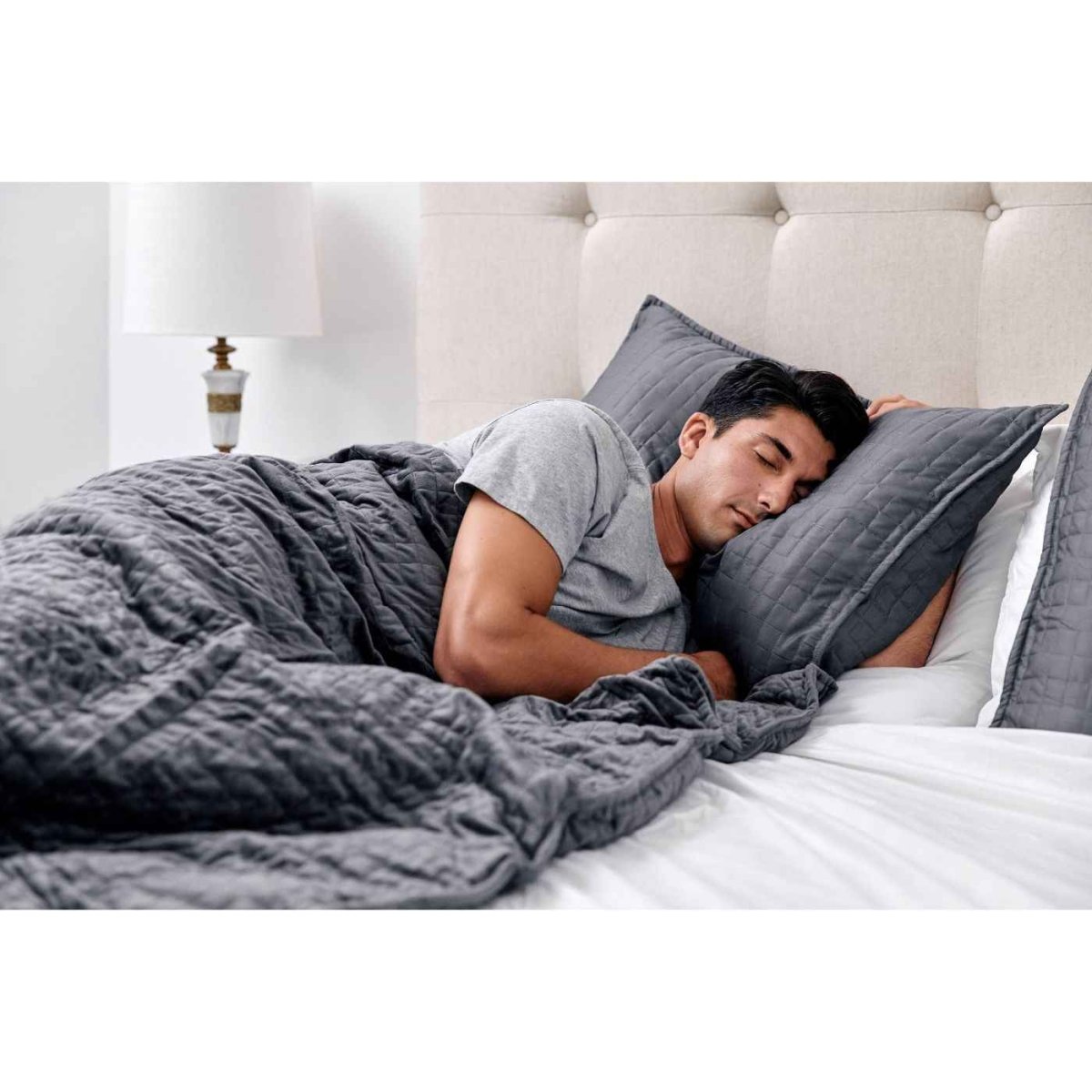
Cooling Blanket Canada Review for Hot Sleepers
A blanket should make bedtime feel settled, not leave you kicking off the covers at 2 a.m. For this cooling blanket Canada review, the question is not simply which option feels coldest on night one. It is which materials and designs can help temperature-sensitive sleepers feel comfortably supported through changing seasons, central heating, humid nights, and the everyday stress that can make sleep feel restless.
A well-chosen cooling blanket is less about a dramatic chill and more about preventing heat from building up around your body. The best options feel soft and grounding while allowing air and moisture to move. That balance matters whether you sleep warm year-round, share a bed with someone who runs hotter, or want a calming layer that does not feel heavy and stifling.
What Makes a Cooling Blanket Worth Buying?
Cooling bedding works by managing heat and moisture, not by creating a permanently cold surface. Natural, breathable fibers help release warmth instead of trapping it close to the skin. A lighter construction can also reduce that sealed-in feeling that often comes with dense polyester comforters or overly thick throws.
The experience depends on your bedroom, your sleepwear, and the rest of your bedding. A blanket that feels excellent in a cool, dry room may not be enough for a sleeper dealing with summer humidity or a foam mattress that retains heat. For most people, the right choice is a breathable layer that is easy to adjust rather than a single heavy blanket meant to solve every temperature concern.
The strongest cooling blankets also make room for comfort. If you are managing stress, anxiety, or sensory overwhelm, a barely-there layer may feel too insubstantial. Look for a design that pairs airflow with a soft, reassuring hand feel, so you can calm your nights without sacrificing comfort.
Cooling Blanket Canada Review: Materials That Matter
Bamboo blends: soft, breathable, and soothing
Bamboo-derived fabrics are a popular choice for hot sleepers because they are smooth, breathable, and effective at moving moisture away from the body. They often feel cool to the touch at first, but their real value is how they help prevent clammy, overheated sleep as the night goes on.
A bamboo cooling blanket or therapy set can be especially appealing for people who want a refined, silky-soft feel without the slipperiness some synthetic cooling fabrics have. It is also a practical all-season choice: breathable enough for warmer nights, yet cozy when layered during cooler months.
Not every bamboo product is identical. Check the blend, construction, and care instructions. A product labeled as bamboo may include other fibers that change its softness, stretch, durability, or cooling performance. OEKO-TEX-certified textiles can offer added reassurance for shoppers who prioritize material safety close to the skin.
Cotton: familiar and dependable
Quality cotton remains a sensible option, particularly in a loose weave. It is breathable, easy to care for, and familiar for sleepers who prefer a crisp, natural feel. Cotton does absorb moisture, though, so very sweaty sleepers may find it feels damp longer than bamboo-based fabric.
Choose cotton when you value simple care and a classic bedding feel. Choose bamboo when softness, moisture management, and a smoother finish are higher on your list.
Synthetic cooling fabrics: useful, with trade-offs
Some cooling blankets use performance synthetics designed to feel slick and cool. They can work well for people who want a very lightweight layer, particularly for travel, naps, or peak summer heat. The trade-off is that the fabric may feel less natural, and lower-quality versions can lose their smooth finish over time.
These blankets are often best as a specialized warm-weather layer, not necessarily as your only blanket. If tactile comfort is part of what helps you relax at bedtime, pay attention to fabric feel as closely as cooling claims.
Weight and Construction Change the Sleep Experience
A cooling blanket should not be judged by fabric alone. Weight, fill, and stitching determine whether heat can escape and whether the blanket stays comfortably in place.
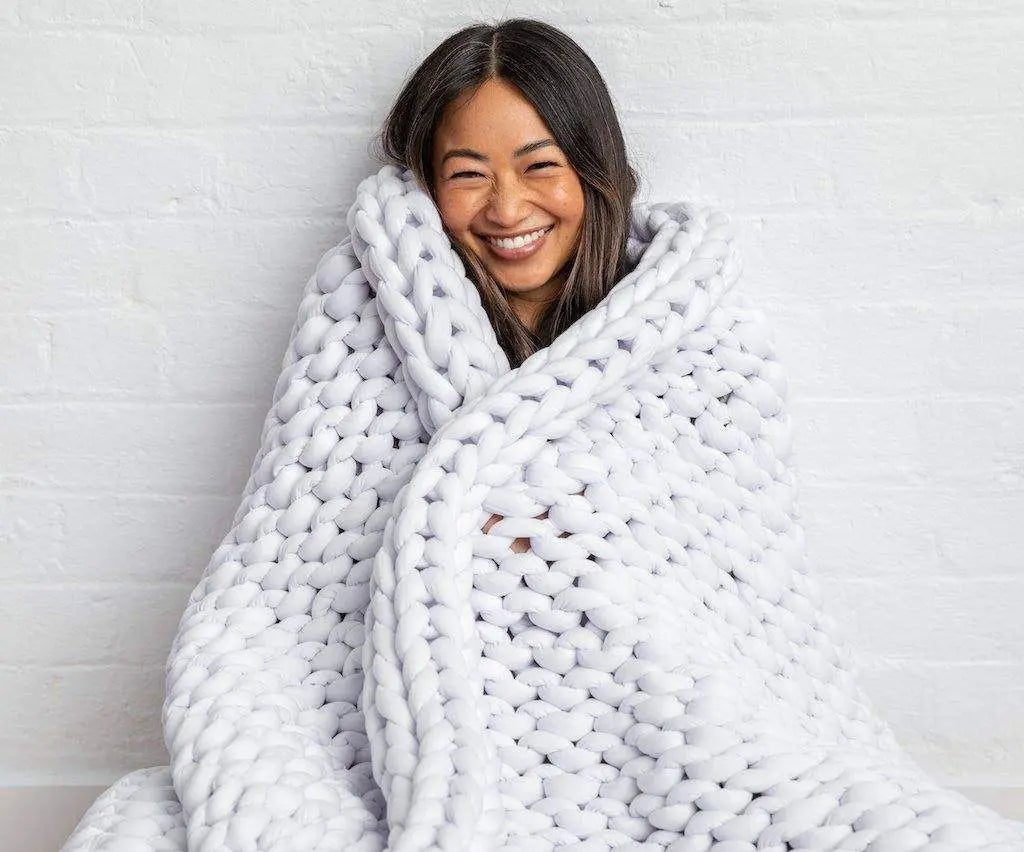
Lightweight knit or woven blankets generally allow more airflow than thick, tightly packed styles. They are easy to fold back when your temperature changes and tend to suit sleepers who wake up warm. A medium-weight blanket may be better if you want a little more drape and the comforting sensation of being covered without the insulation of a duvet.
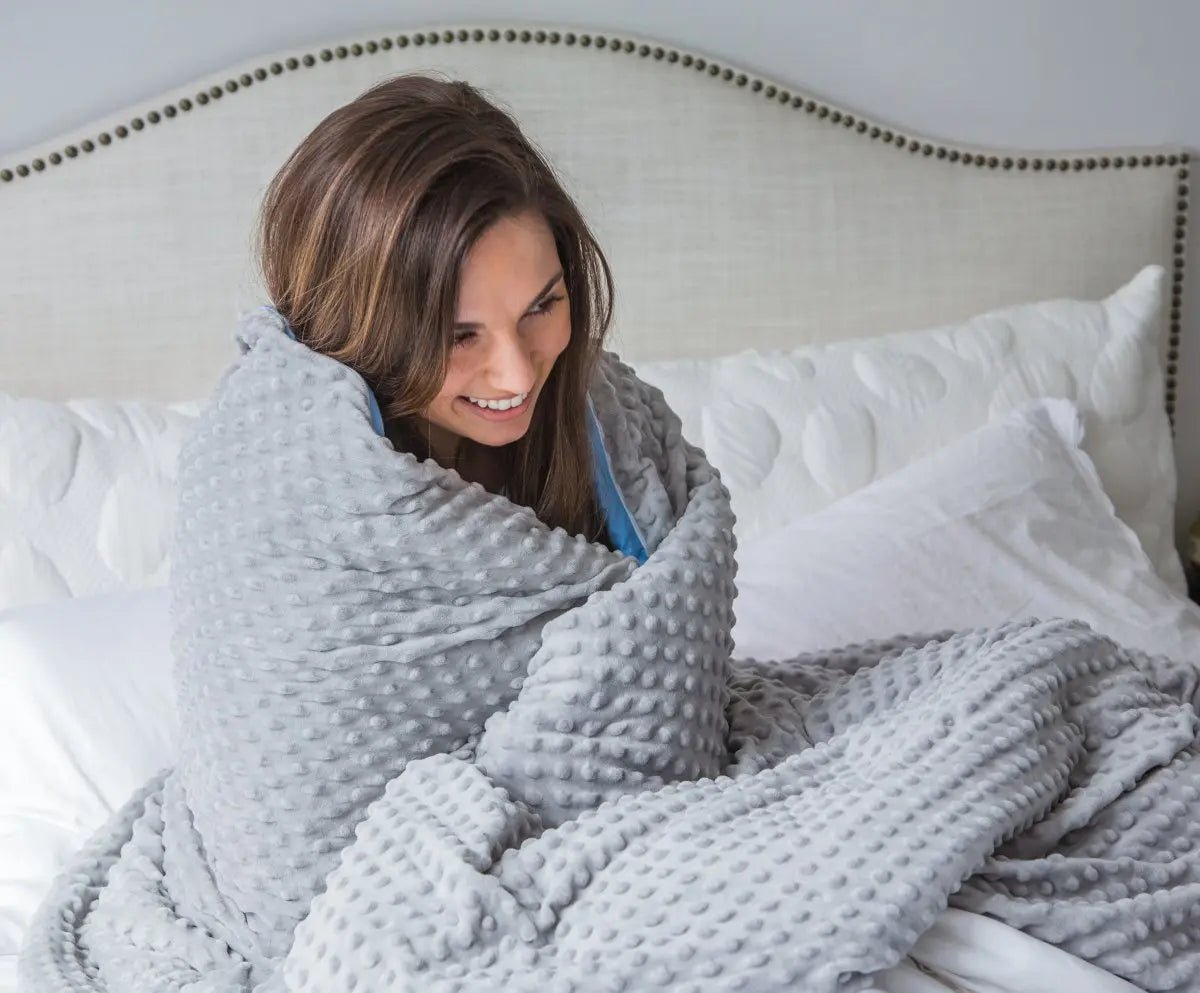
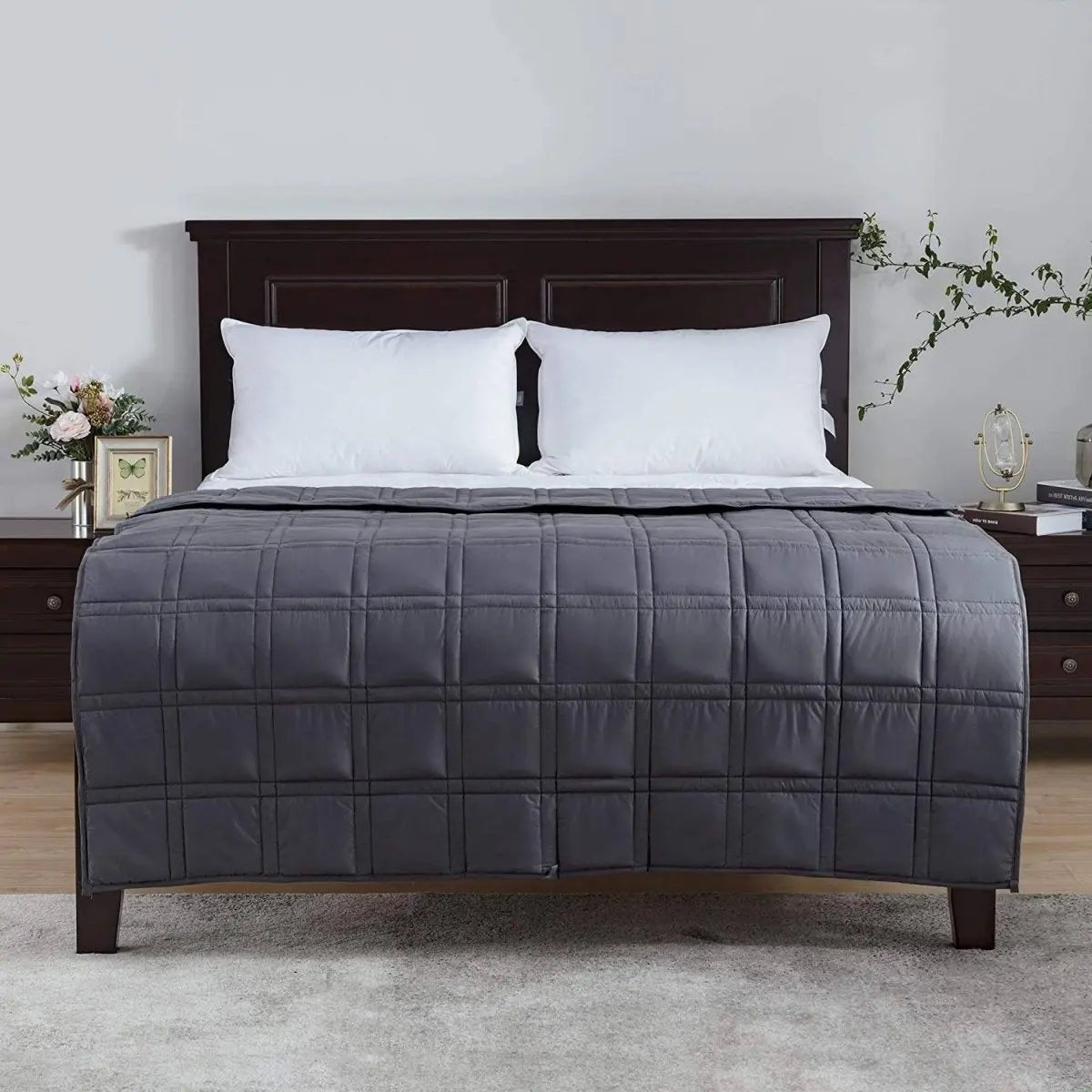
Weighted blankets require a more careful approach. Deep pressure can feel calming and supportive for some adults, but a standard weighted blanket is not automatically the best choice for someone who overheats. If you love the grounded feeling of weight, seek a cooling-focused design with breathable outer fabric and thoughtful internal construction. Keep the room cool, use lighter sheets, and avoid piling it under a thick comforter.
The right weight should feel secure, never restrictive. Children should only use weighted products with age-appropriate guidance and supervision, and anyone with medical or mobility concerns should speak with a qualified healthcare professional before using one.
The Best Choice Depends on How You Sleep
There is no single winner for every hot sleeper. A practical cooling blanket choice begins with the problem you are actually trying to solve.
If you wake up sweaty, prioritize moisture-wicking, breathable fabric and a lightweight construction. If you simply get warm after falling asleep, a medium-weight bamboo layer may give you the comfort you want without holding excess heat. If you feel chilled at bedtime but overheated by morning, an all-season layering system gives you more control than one thick blanket.
For couples, flexibility matters more than matching preferences. One partner may prefer a breathable cooling blanket while the other wants a warmer layer on their side of the bed. Separate blankets can be a surprisingly peaceful solution, especially when different sleep temperatures are affecting both people’s rest.
For gift buyers, consider the recipient’s routine instead of guessing based on the season. A cooling blanket is a thoughtful choice for a new parent, a busy professional, a college student in a warm apartment, or someone rebuilding a more restful evening routine. A soft, easy-care option feels generous while still being useful every night.
What to Look for Before You Order
Start with size. A blanket that is too small may slide off during the night, while an oversized option can feel like excess fabric is gathering warmth around you. Think about whether you want a personal layer for the couch and bed, or a bed-sized blanket intended to cover two sleepers.
Then consider care. Bedding only supports better sleep when it is easy enough to keep fresh. Review wash instructions before ordering, especially with textured knits, weighted designs, or delicate bamboo fabrics. A removable cover can make a weighted blanket easier to maintain, while machine-washable cooling layers are often the simplest fit for everyday use.
Finally, look beyond the first touch. Terms like “cooling” and “temperature regulating” can describe different things. A genuinely useful product description should tell you about fabric, weight, intended use, and care rather than relying on vague promises. A meaningful trial period and clear return policy add confidence when you cannot feel the blanket before it arrives.
Better Sleep’s cooling bamboo therapy sets are designed around this kind of practical comfort: breathable materials, a polished feel, and a calming layer that can work with a more intentional sleep routine. For shoppers who want both therapeutic reassurance and elevated bedding, that combination is often more valuable than a novelty cooling claim.
A Cooler Bed Starts With the Whole Setup
Even an excellent blanket cannot offset a room that is too warm or bedding that traps heat underneath it. Pair your cooling blanket with breathable sheets, light sleepwear, and layers you can easily remove. If your mattress holds heat, a cooling mattress topper or more ventilated protector may have an equally noticeable effect.
Keep your bedroom comfortably cool and reduce heavy layers before assuming you need the lightest blanket available. Many sleepers rest best with a soft, breathable blanket that provides gentle coverage, rather than sleeping with no blanket at all. The goal is not to feel cold. It is to stay comfortable enough that your body can settle into deeper rest.
A cooling blanket is most worthwhile when it becomes part of a calmer, more responsive bedtime environment. Choose the material that feels good against your skin, the weight you can relax beneath, and the layer you will reach for night after night. That is where cooler sleep begins to feel less like a product feature and more like a welcome exhale.


Leave a comment